Library Volunteer-Everyone Poops

In the 1990’s, I was in my college town of Lawrence, Kansas (home of the University of Kansas.) I entered a bookstore to look around. A picture book called “Everyone Poops” was on display. It surprised me (but in a pleasant way,) because I had never ever seen “poop” mentioned or illustrated in a picture book before. Wow! 

“Everyone Poops” was/is a Japanese picture book for kids by the ultra-famous Taro Gomi (Gomi Taro in Japanese.This is more about his books.) When I arrived in Japan in 1995, I noticed that poop drawings were common here. My junior high students might doodle poop for fun (always in the shape of the top of a soft-serve ice cream cone) and poop was frequent in manga (Japanese comics.) Poop drawings were absolutely no big deal, although I hadn’t seen them at all in the U.S. (I think poop has recently reached America’s shores and the country is now excrement friendly in illustrations.)

When I was in the U.S. during the past summer, I saw the English version of Gomi’s “Everyone Poops” in a used book store and purchased it. I thought it would be perfect for my library volunteer activity of reading aloud to kids at my son’s former elementary school.

Once in Japan, I borrowed the same book in Japanese from our public library. I also prepared eight flashcards to teach words from the book. I thought certain words are very useful, but they won’t get taught in regular English classes that the students will attend. Yet, aren’t poop and flush useful words to know if one finds oneself constipated while travelling abroad?

I was slightly worried because this book is about poop… But not too worried because Japanese parents and teachers, etc. are much more open to these kinds of books than American parents and teachers.

Despite “Everyone Poops” being virtually the only Taro Gomi book that Americans know, this book isn’t especially famous among today’s Japanese children. A few of the kids I read to knew it, but not all. (It’s an old book.) Taro Gomi, on the other hand, is an author that all the kids recognize. He’s both prolific (tons of his books are not published in English) and extremely famous.
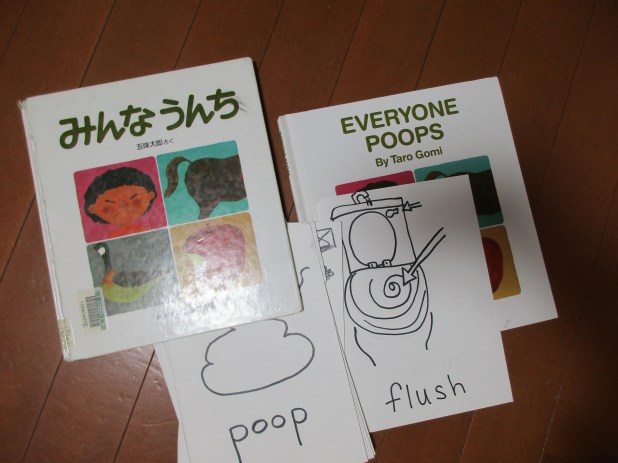
So basically, the book was a success. The English and Japanese are written at the level of a toddler’s understanding–which is about right for the elementary school students who don’t know any English at all. And isn’t it cute? And teaches a great lesson. 🙂
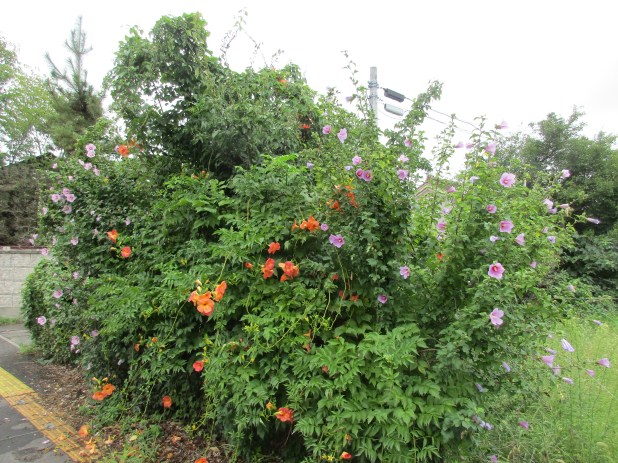
Flowers Year Round in Fukushima City–AUGUST 2018

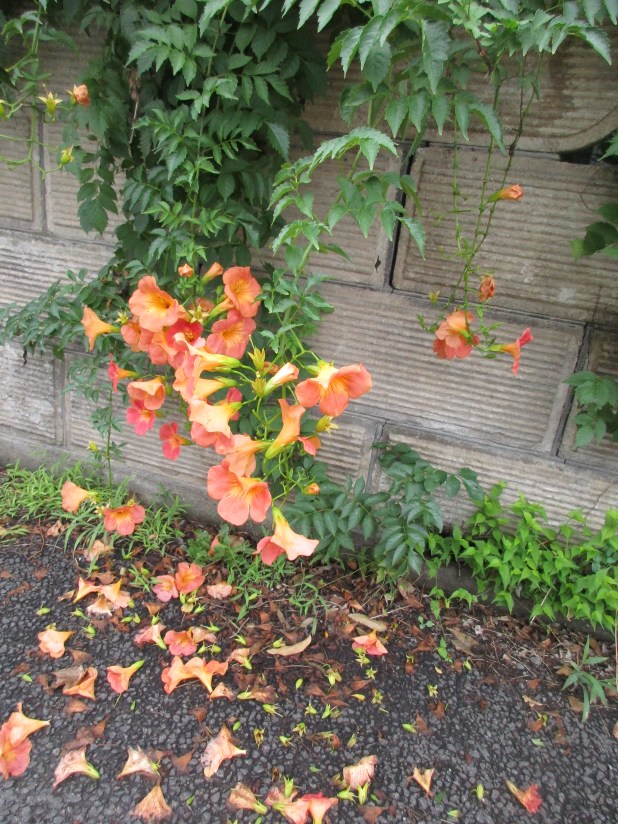
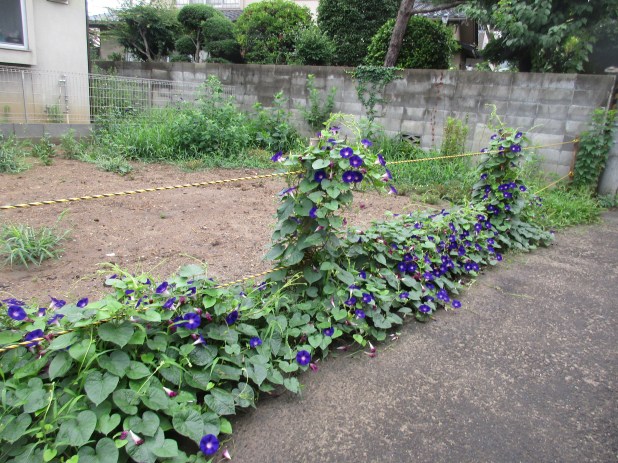
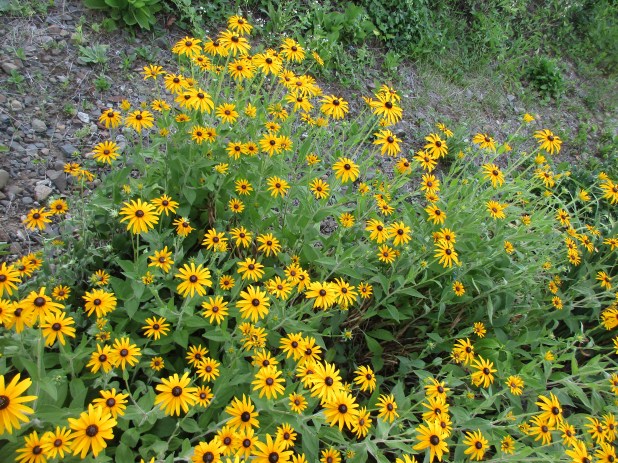
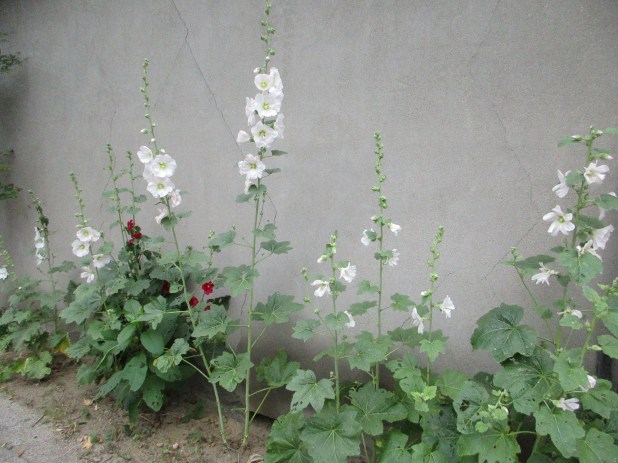
From August of 2018. I was visiting my parents in the United States in the beginning of August, and when I came back I visited my husband’s parents in Yamagata Prefecture. So these photos are from the very end of August.

There! That’s flowers for an entire year in and around Fukushima City! And I’m still noticing them…. It’s now September and so many pretty flowers. 🙂


Flowers Year Round in Fukushima City–JUNE 2018

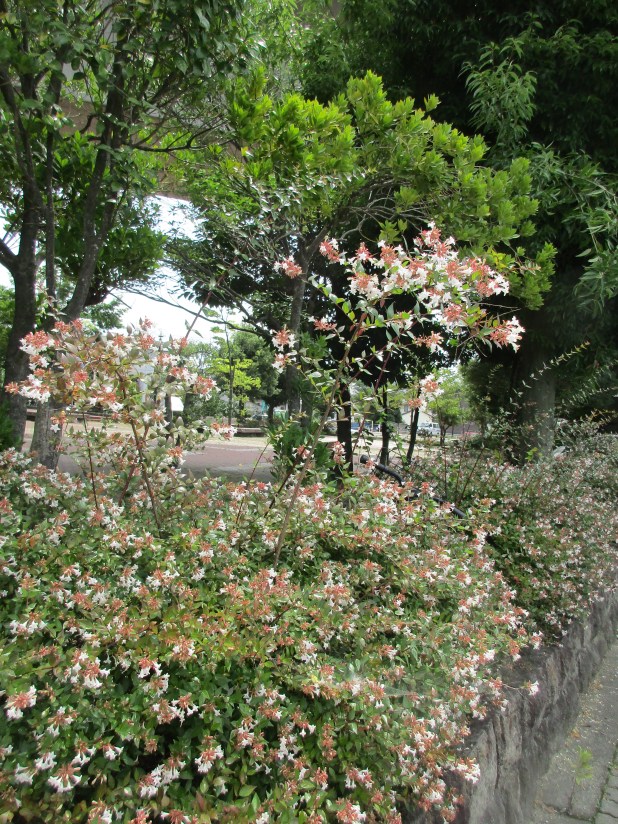
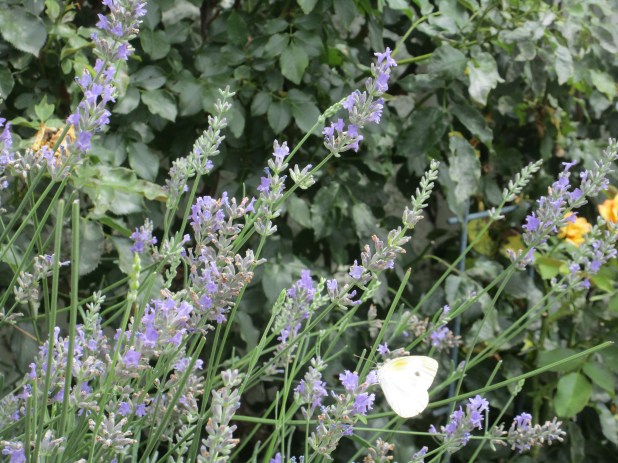
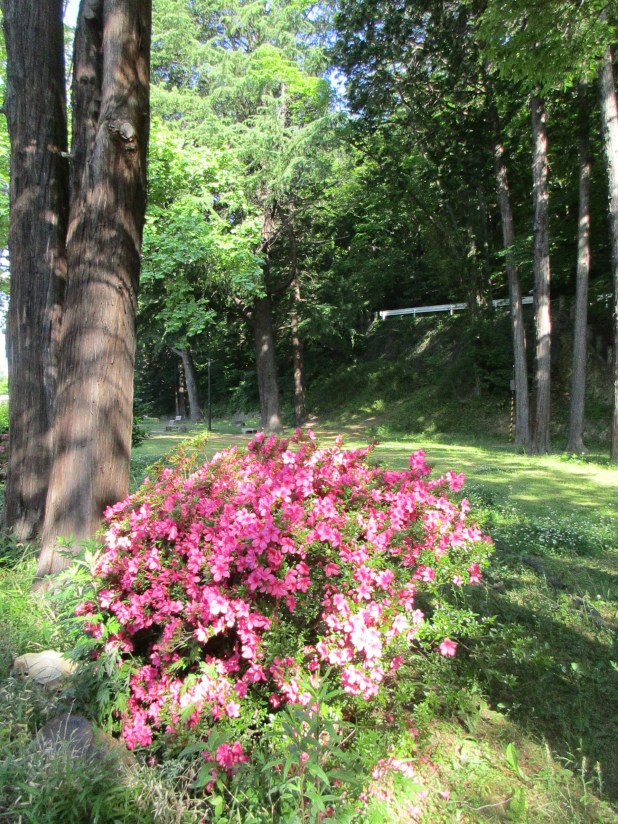
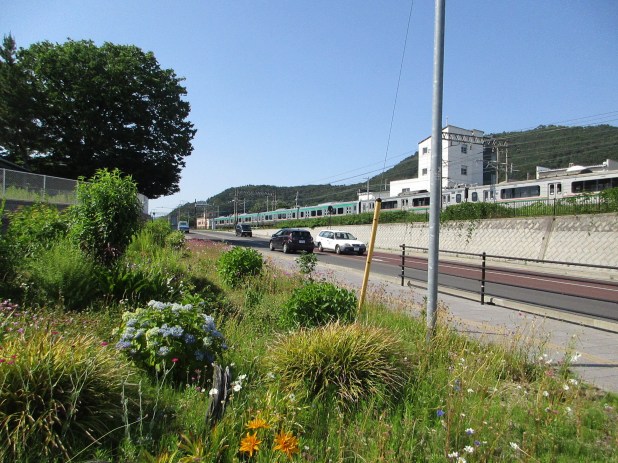
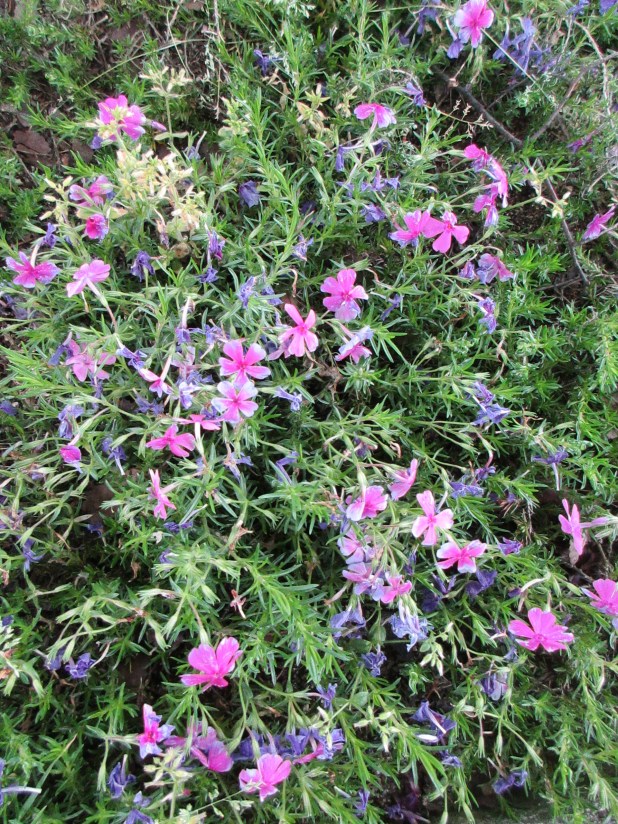
June—as expected, lots of flowers. Above photo is at the foot of Mt. Shinobu in Fukushima City. I took it at a small park.

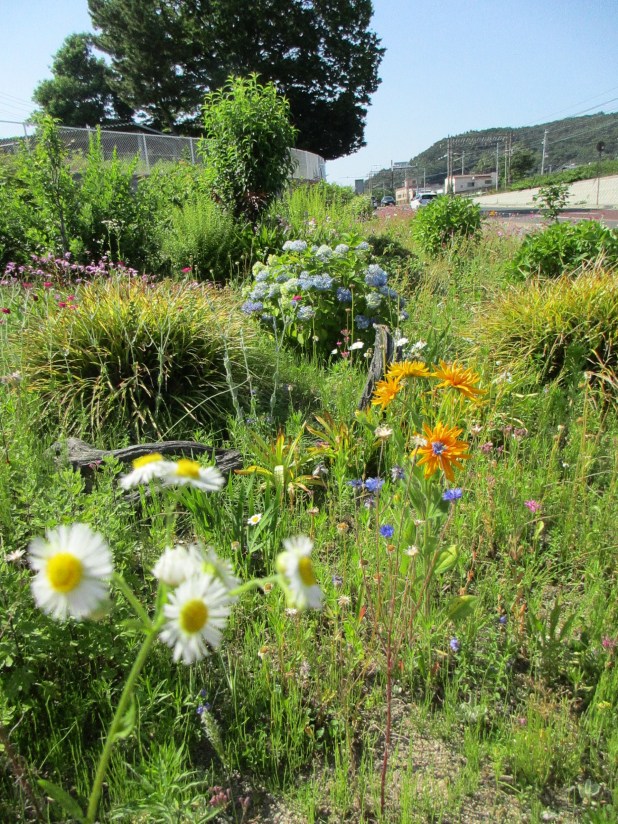
Hydrangeas in the background. There are a lot of hydrangeas here in June. The weather—warm and rainy–seems perfect for them.

A train line…. It’s not a JR line. It’s a local Fukushima line.

(JR=Japan Railways)

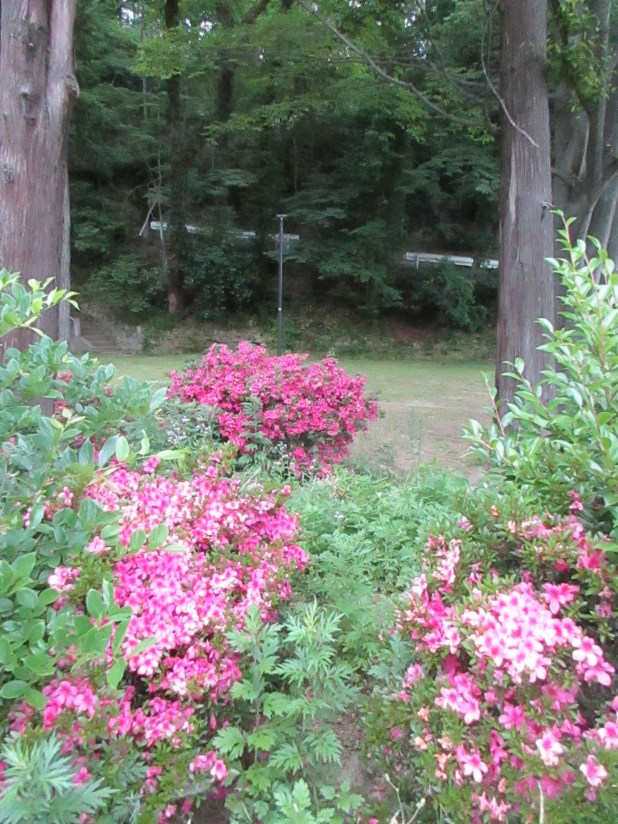
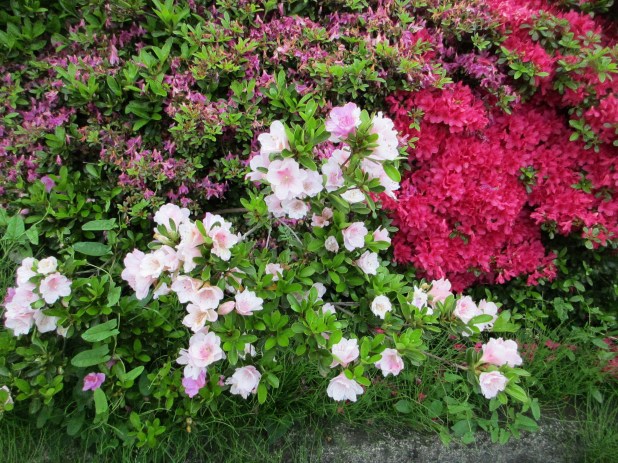
Once more at the foot of Mt. Shinobu. In fact, I think it may be the same exact bush! LOL But a different day.

Flowers Year Round in Fukushima City–MAY 2018

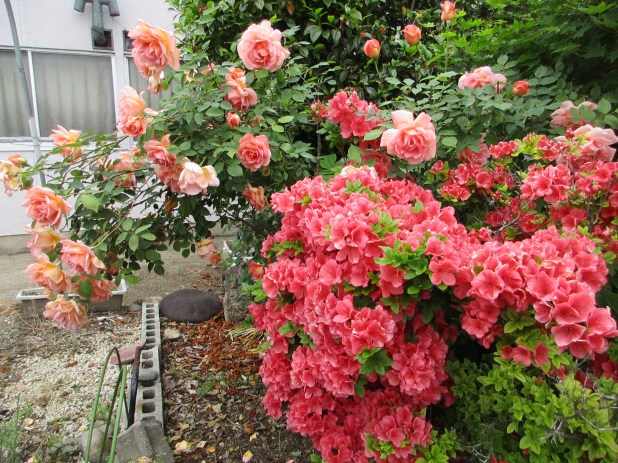
There are a lot of photos in this post because once spring arrived, I kept seeing flowers everywhere.

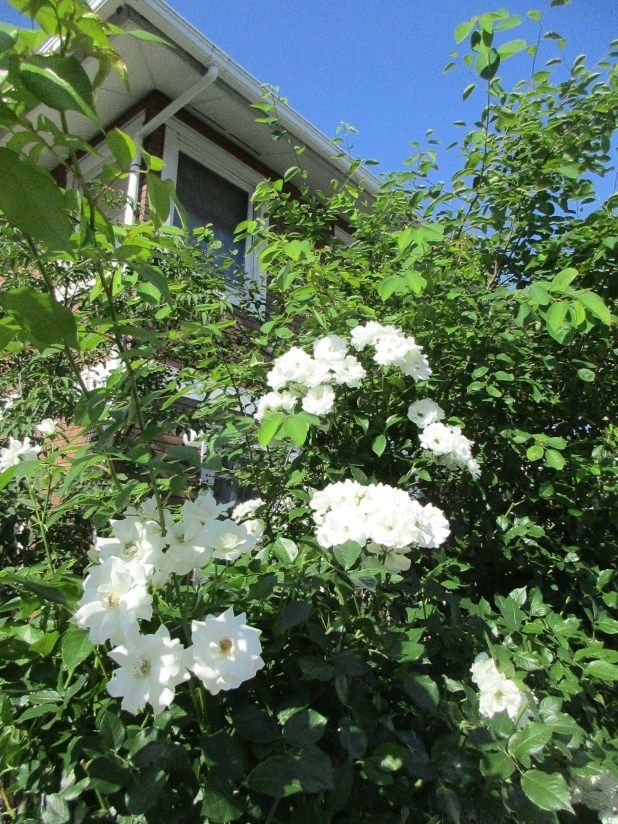
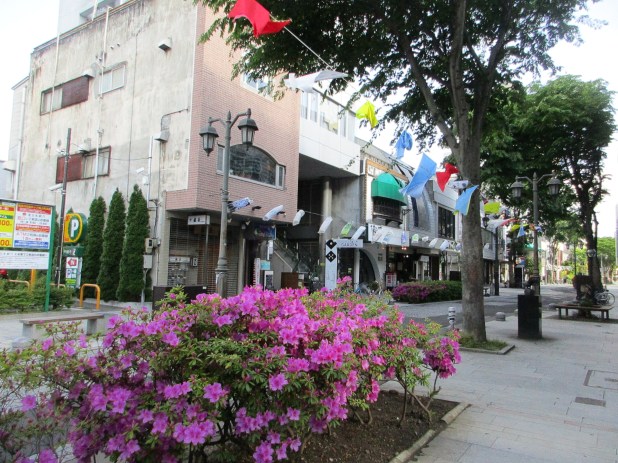
This is Paseo Dori Street, near my house. I love this curved cobblestone street. It’s so cute. Unfortunately, some of the cobblestones have been torn up and paved over with regular cement for construction (of water pipes, I presume.) I guess it is too expensive to replace the cobblestones. 😦

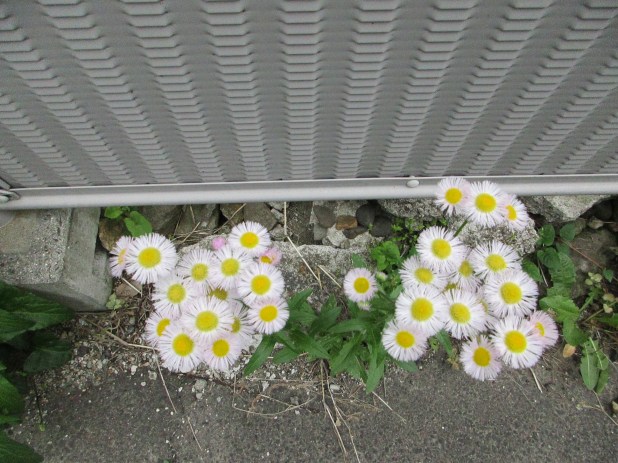
Okay, these flowers are similar to the ones that went viral several years ago. (The ones that were deformed.) So I was looking super carefully for deformed flowers. I could NOT find any. No deformities in all the daisies I looked at, including those not in the photos.


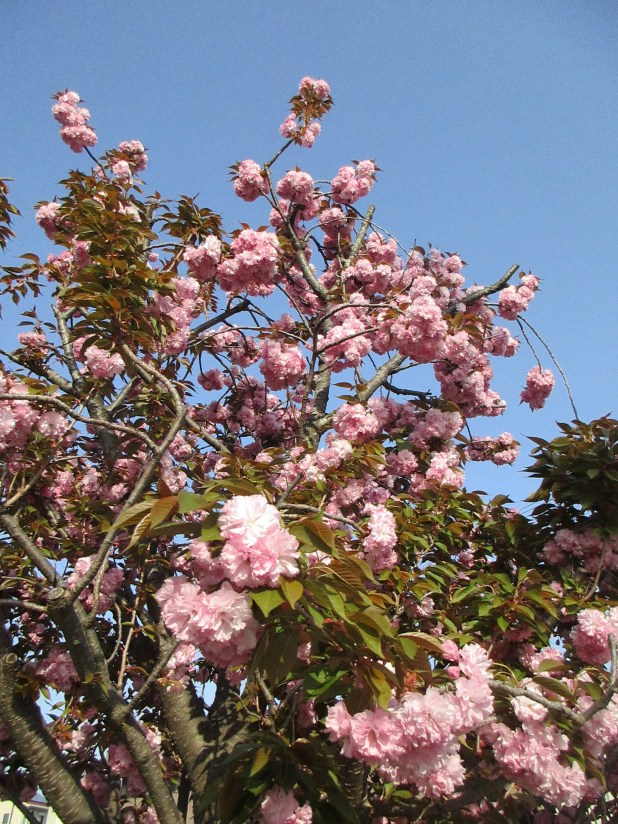
The blooms on the tree in the above photo are so interesting. This is Shinhama Park.

Flowers Year Round in Fukushima City–MARCH 2018

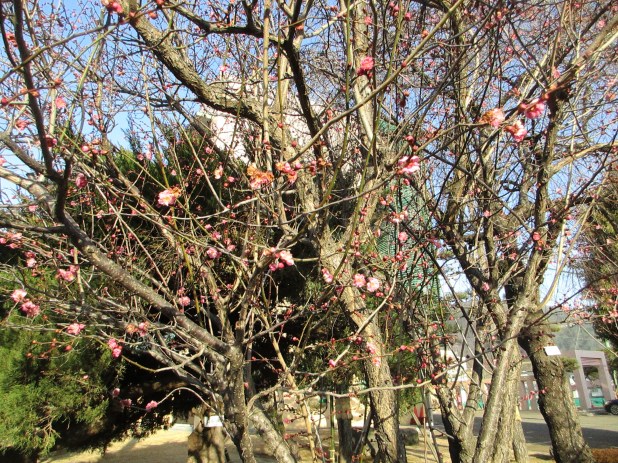
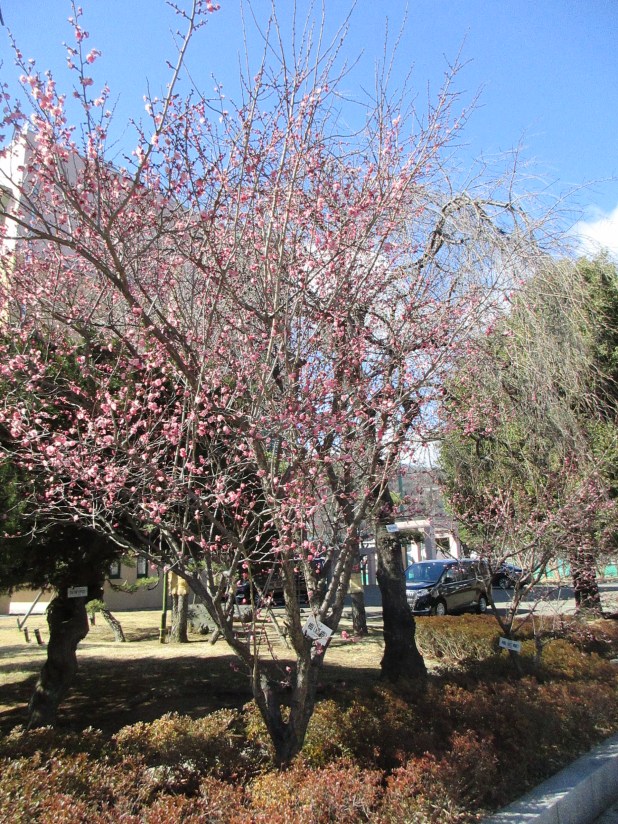
The flowers don’t start to bloom in Fukushima City until March, really. The first to bloom is the plum blossom. I was watching it in mid and late February and it began to bud (very slowly)  but didn’t look picture-worthy until March:

Then later in the month:

beginnings of cherry blossoms (buds)

The above three photos are from Shinhama Park.

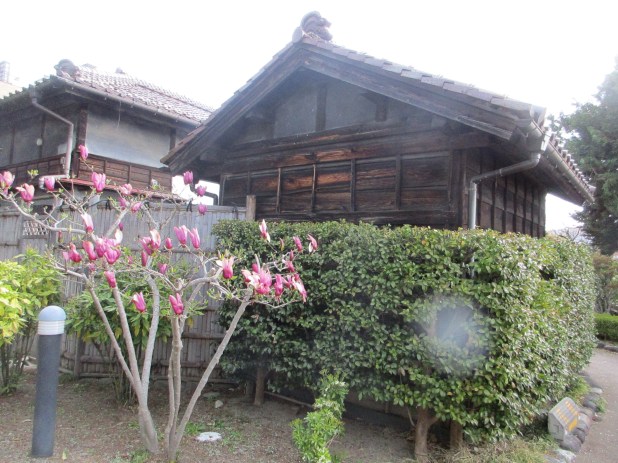
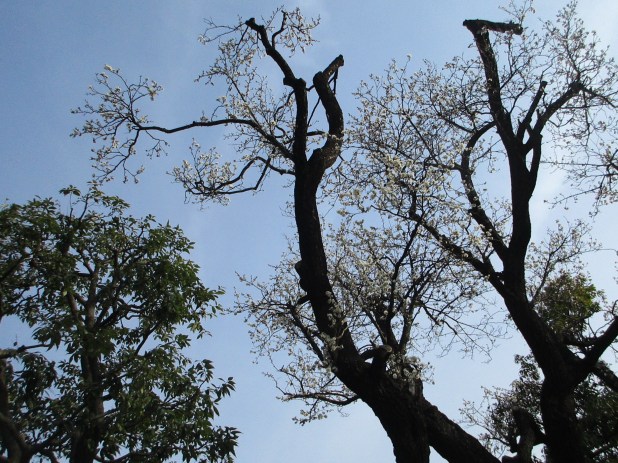
Magnolias…I think. I might be wrong.

Flowers Year Round in Fukushima City–February 2018

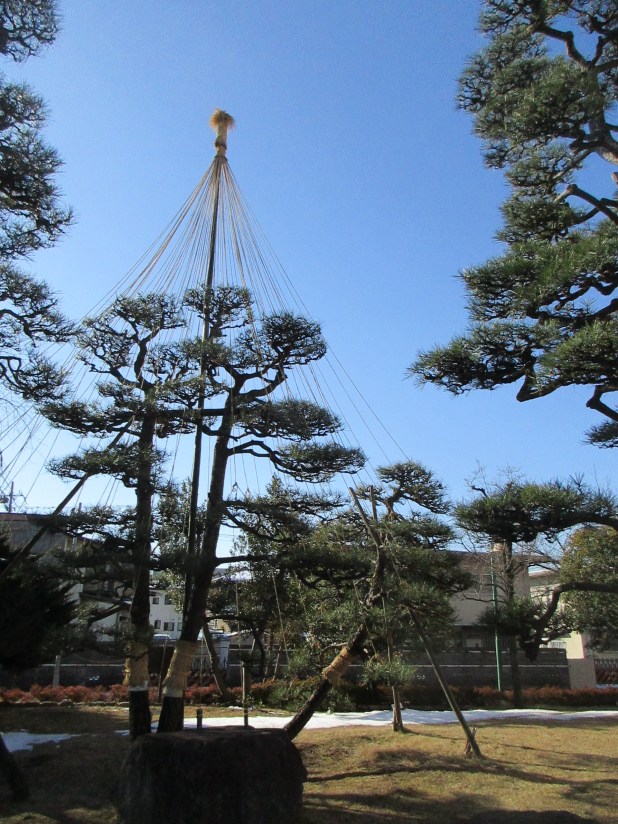
These photos are from possibly the coldest month of the year in Fukushima City (or at least it feels like it because winter has been dragging on for so long.) As you’ve seen from the two previous posts, Fukushima City DOES get snow in winter. Not as much as some other parts of Japan (further north, further west places), but more snow than places down south like Tokyo. Our snow here is pretty manageable, I guess. But it can destroy the trees. Thus, instead of flowers (which are not found much deep in winter,) I want to show you the trees during winter because it’s interesting how Japanese people protect them from the snow.

This is in the grounds of a local school. The coverings on the tree are beautiful, but their primary purpose is to protect the tree if there is a heavy snowfall. (There is usually is at least once a year–or more.)

According to my knowledge (and I’m no expert,) this is a very traditional way of protecting the trees. It’s so lovely, in my opinion.

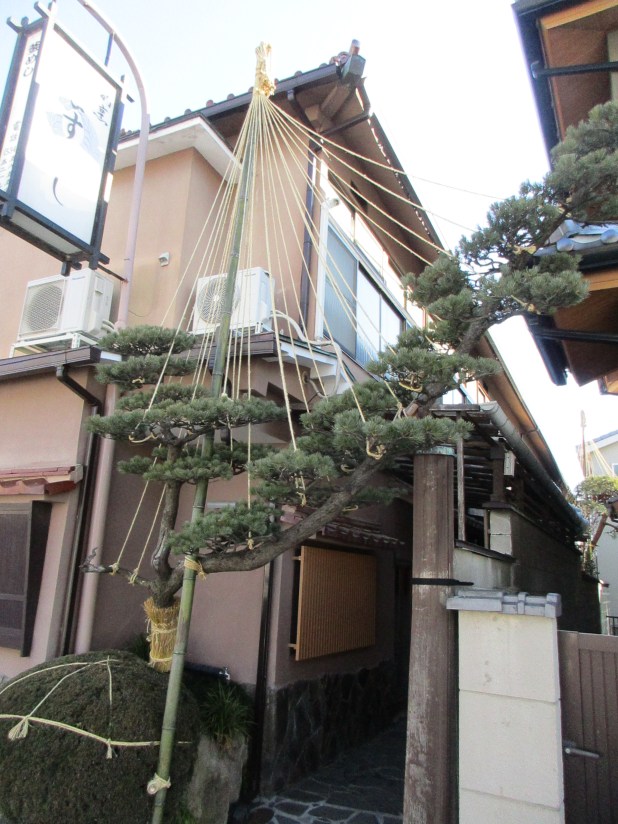
This, I believe, is a home. I guess the bamboo pole helps the tree keep its shape in case the snow should be so heavy as to weigh down the branches. (And just a few short years ago–2015? we had a HUGE dump of heavy snow that was destroying the roofs of bicycles sheds, carports and so on.) These tree protections can be seen all over Tohoku (northern part of Honshu) in winter and I think they are really beautiful.