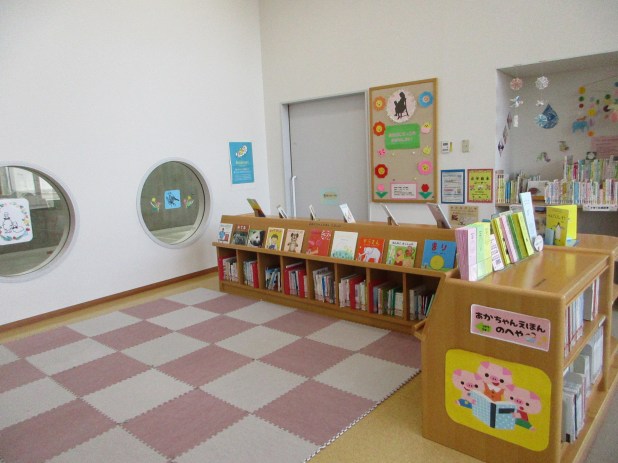
Comu Comu Children’s Library in Fukushima City

Recently I have been working on a manuscript that is set in the United States, but has some Japanese themes. I haven’t written much because I feel I have to do a lot of research to get the parts relating to Japan right. I’ve been going to the public libraries in Fukushima, checking out books for kids and reading them. (A book for adults is too difficult for me. I can read an adult book, but it would take me too long.) Children’s books are short and to the point.

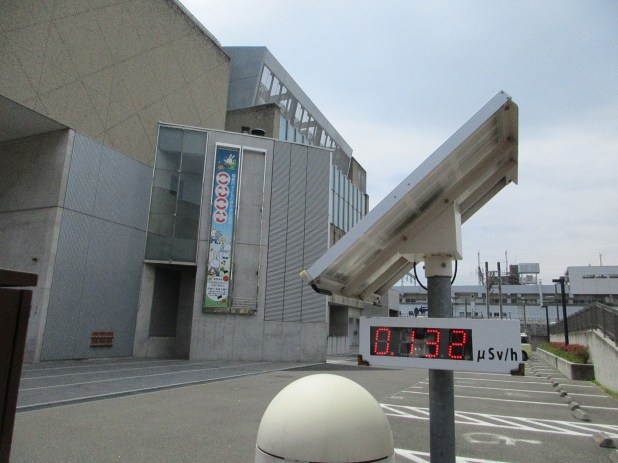
One of the best libraries for children in Fukushima City is the library on the first floor of the Comu Comu Building (a large building devoted to children’s activities.)

What a modern library! It was built shortly before my family arrived here (in 2006.)
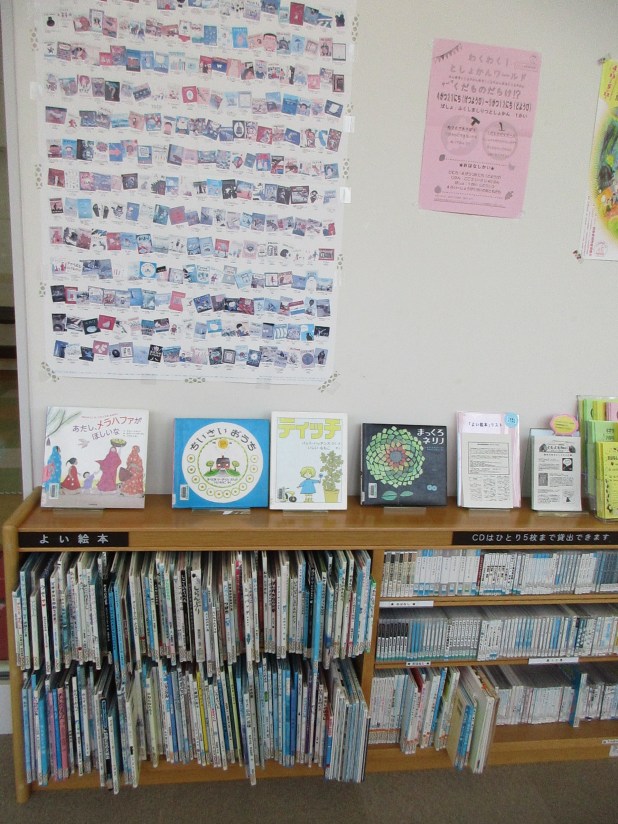
The sign says, “Yoi Ehon” “Good Picture Books”

Actually, I think these are award winners. The poster shows books which have won an award in Japan (I’m sorry, I don’t know the name of the award. I think it is sort of similar to the Caldecott.)

Child-friendly!

By the way, at the bottom of the photo above, you can see the Kamishibai books.

(If you’ve read Allen Say’s “Kamishibai Man”, you know the sort of book I am talking about.  )
Toddlers’ area

Books in English (The main library has far more, especially in its stock room.)

More library……..

Cute decorations!
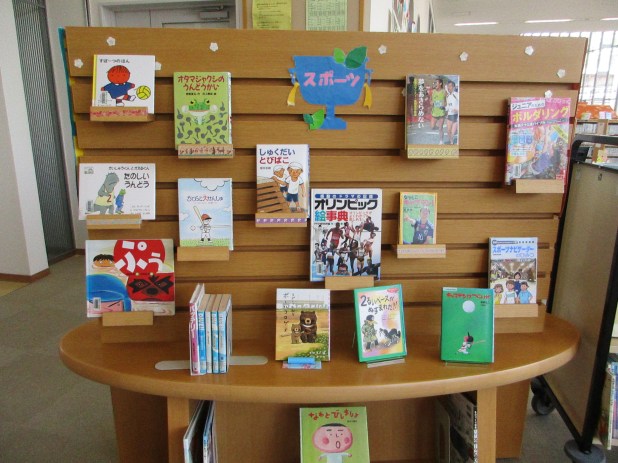
There are always a theme of books on display when one enters this library. This is the theme of “Sports.”

I love the library at Comu Comu and its friendly and helpful librarians! Comu Comu is completely free of charge to visit, and it has lots more than a library (although it is all child-related.)
Tsubasa? Tsubasa! TSUBASA!!!!!!!!!!!!!

I wanted to write about Fukushima and when I first began, I was going through dictionaries looking for names of my characters. (They are all Japanese and therefore must make sense as names to Japanese people.)

The first names I came upon were the names of two women. They are Japanese women, but in my writing I translated their names into English, and in Japanese, their names make a clever pun. (If I do say so myself.) While writing, I CONSTANTLY asked myself, “If this were translated in Japanese, how would it be translated? What would it sound like to Japanese ears?

So I found the two women’s names first, and I love their names. Their names began the book, and the feel of the book. (This book is not yet published.)

Next, I needed the names of my main characters. Combing throught my dictionaries, I decided on Haruka from my female protagonist and Tsubasa for her younger brother.

One reason is because both these two names are currently very much in use. Go to any school in Japan, and you’ll likely find a Tsubasa or a Haruka (or possibly both.)

Haruka was chosen for its meaning: Far Away. I imagined that for kids in America, Fukushima is “far away.” Thus for this reason (and other reasons) became Haruka’s name.

Tsubasa’s name means “wing.” My feeling was flying. I’m not as attached to his name as to Haruka’s. In fact, I’ve thought about changing it something else.  But obviously I must still like it, because I’ve never changed it.


So WHY did I type all that out? Well, bullet trains (shinkansen) all have names. The one we take to get to the proximity of my husband’s hometown is called “Tsubasa.”

Cool, huh?


For more info about the bullet trains:

Click to access map_en.pdf