Cherry Blossoms Day by Day 2019 (Part Two)

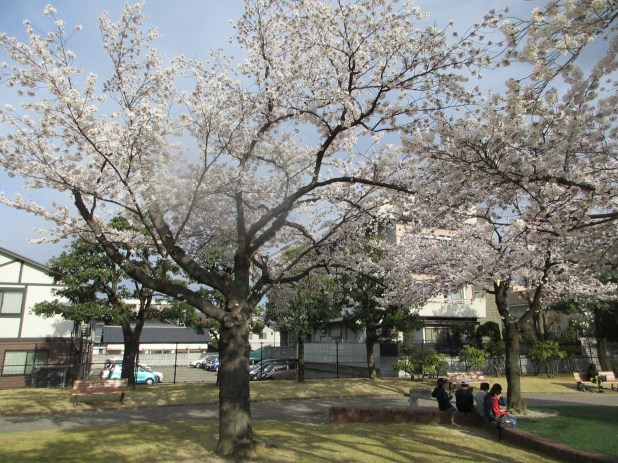
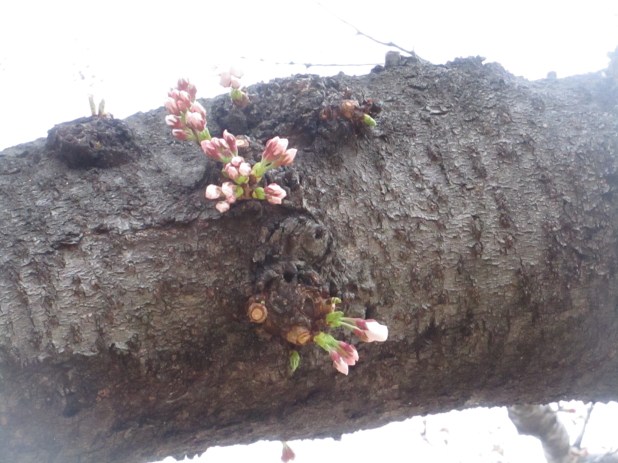
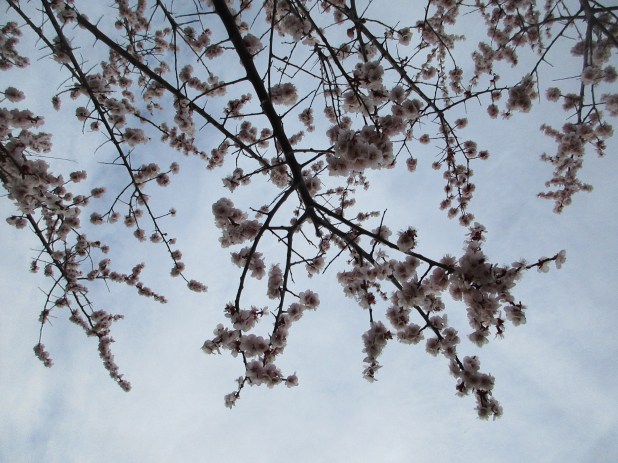
Here is a continuation of the cherry blossoms:

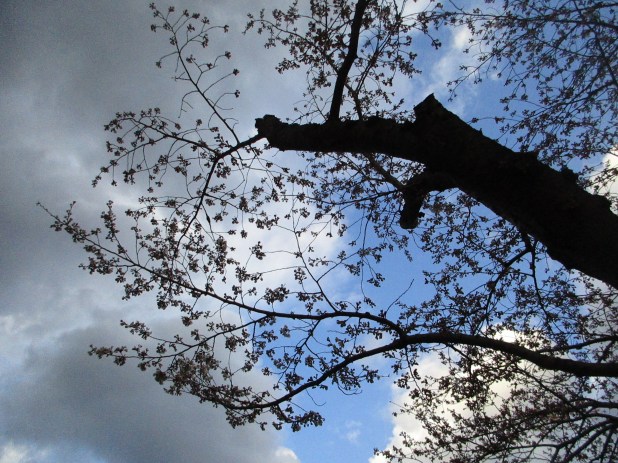
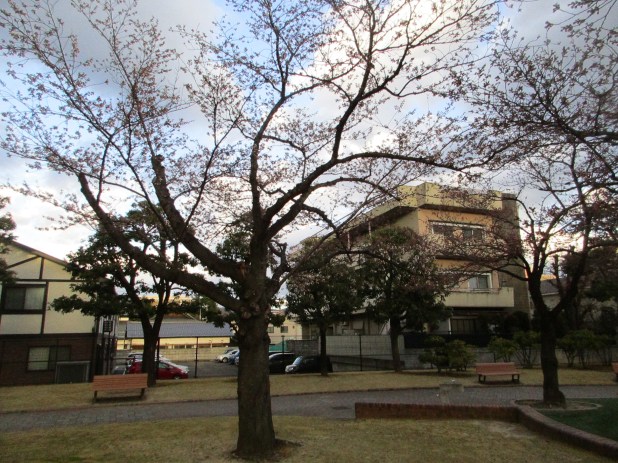
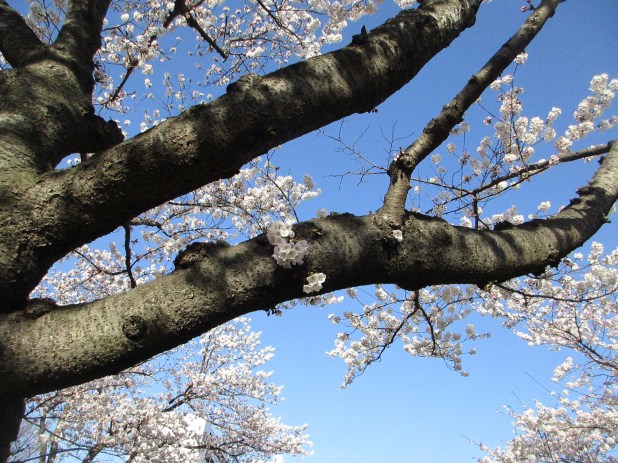
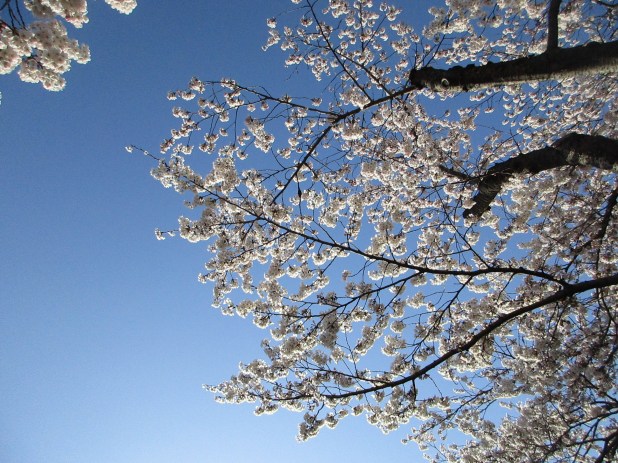
Above photos: April 7, 2019

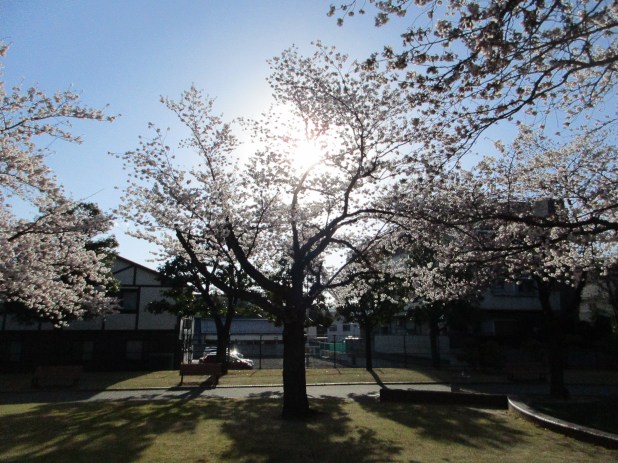
Above photos: April 8, 2019

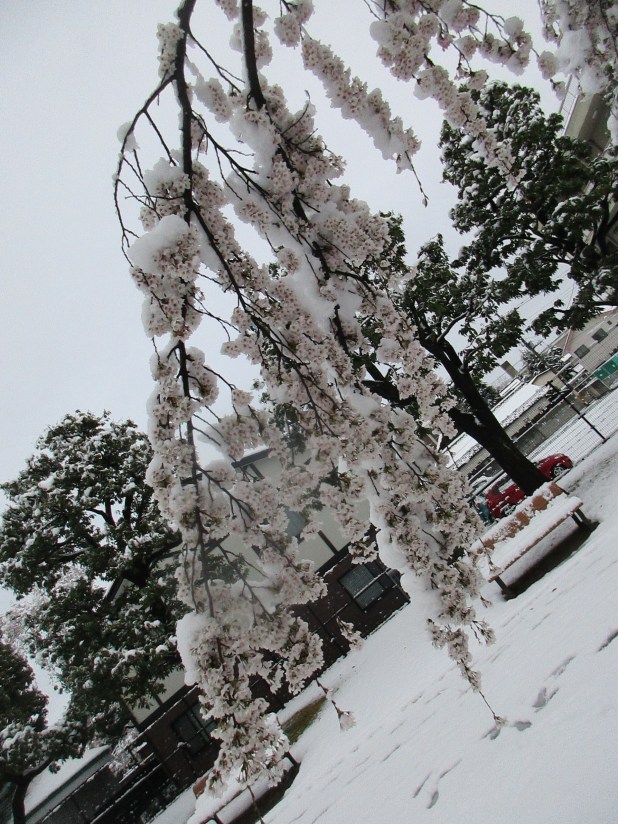
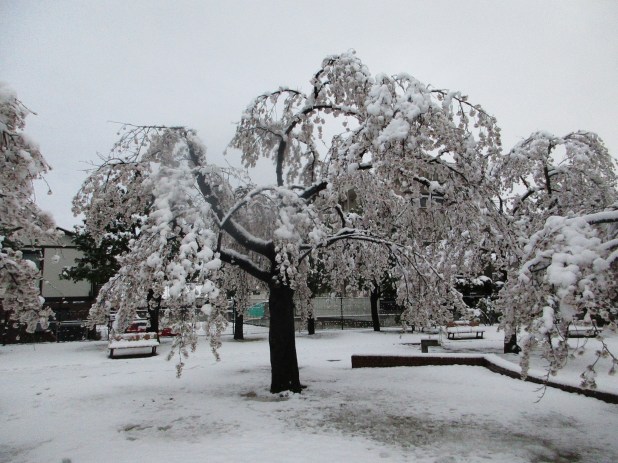
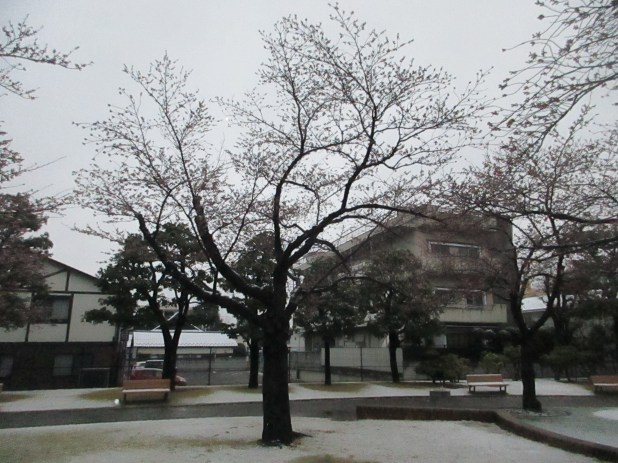
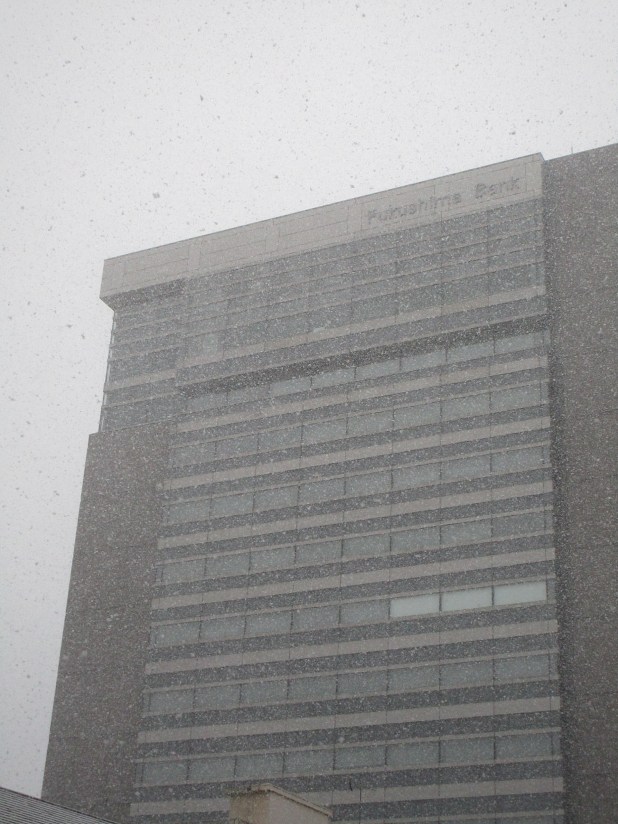
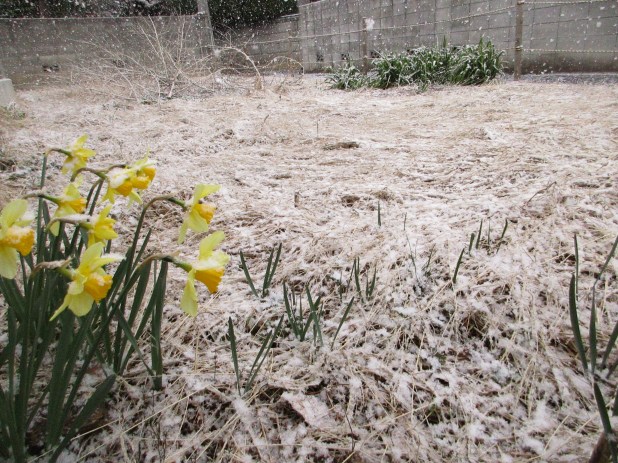
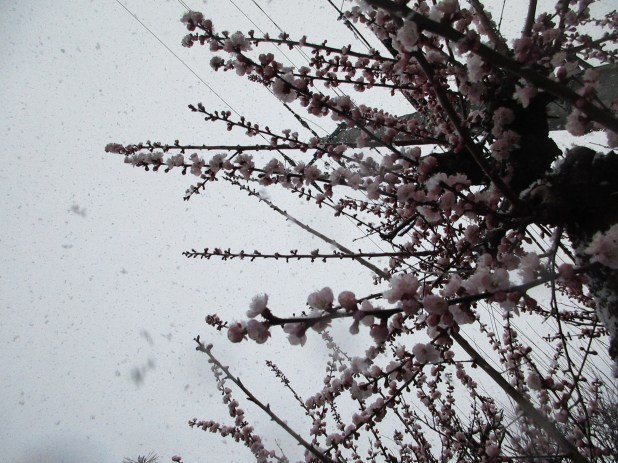
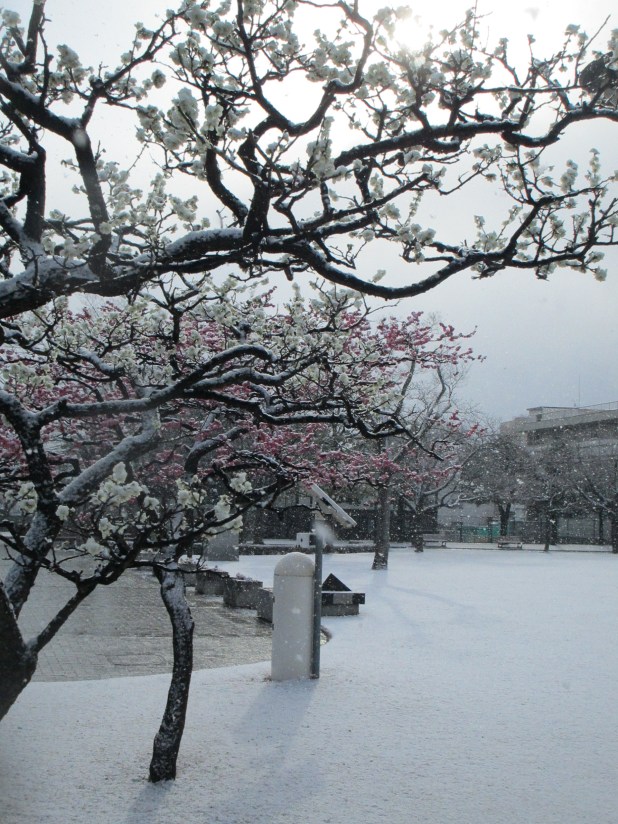
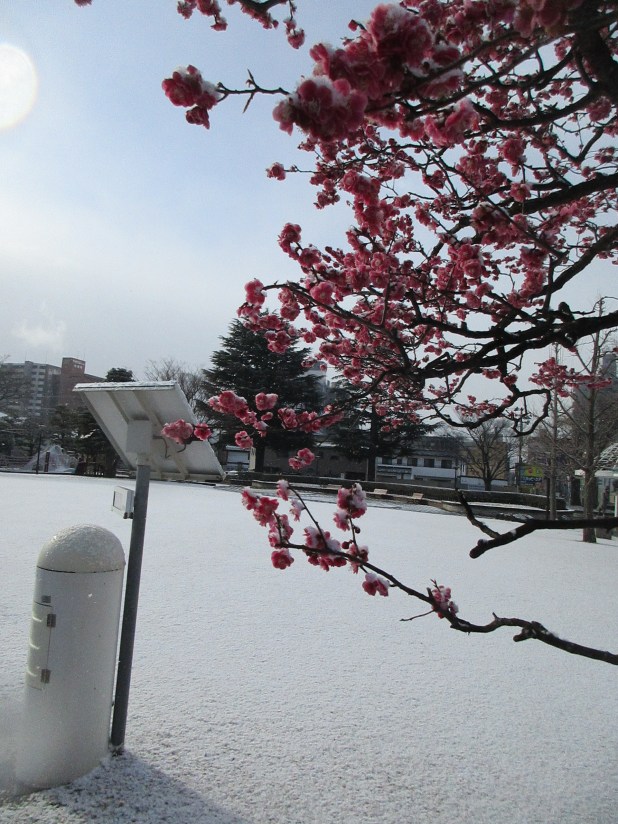
And here are the photos early this morning, April 11, 2019! Yes, it snowed during the night! It’s very unusual for it to snow heavily in April during the cherry blossom at its full bloom. My mom and I were discussing the effect of the snow on the flowers, and wondering if the blossoms will die or spring back. We’ll see….! Stay tuned.

Cherry Blossoms Day by Day 2019 (Part One)


MARCH 30, 2019 I took the above three photos in Shinhama Park, a well-known park here in Fukushima City. It’s a very short walk from my home. The boys were so friendly. They attend a local junior high in Fukushima  City. The boy with the mask is likely wearing it due to allergies–Japan has a high ragweed content in the air (due to its abundance of cedar forests.) People who have hayfever frequently wear masks here in the spring to keep the pollen from their nose and mouth.

MARCH 31, 2019 We had a spell of unusually cold weather this day–you can see that it snowed that morning.

APRIL 3, 2019 In the above three photos, you can see the cherry blossom have not kicked into full bloom yet.

APRIL 6, 2019 Full bloom! I took the above three photos early this morning. (Thus, the sun is directly behind the tree!) Cherry blossom are famous in Japan, but it feels a little hectic to me because they bloom for such a short time. I know, I know. Such is the life of the samurai.


Name of the new era has been announced.

A new era will begin in May in Japan!

The current emperor will retire, passing the throne to his eldest son.

Each reign of an emperor has a different name. Right now we are in the Heisei Era, but very soon this will end. What will the new era be called?

On Monday, it was announced:

Reiwa

令=rei

和=wa

_____________________________________________________________________

Being a non-native speaker of Japanese, I rushed to my dictionary, trying to figure out the meaning of “rei.”

It’s hard to pin down the exact meaning of rei (for me.) Maybe “decree”?  It’s the second kanji in the word “order” meirei 命令

So I will translate “reiwa” as decree harmony. That sounds horrible, though, doesn’t it?

The OFFICIAL TRANSLATION BY THE JAPANESE GOVERNMENT (blow bugle at this point) is “Beautiful Harmony”

See this link:      https://japantoday.com/category/national/japan-gov%27t-says-era-name-translates-as-beautiful-harmony

Um….there’s a problem…..does “rei” mean beautiful in English? Uh er ah…..I will refrain from commenting……………………………………
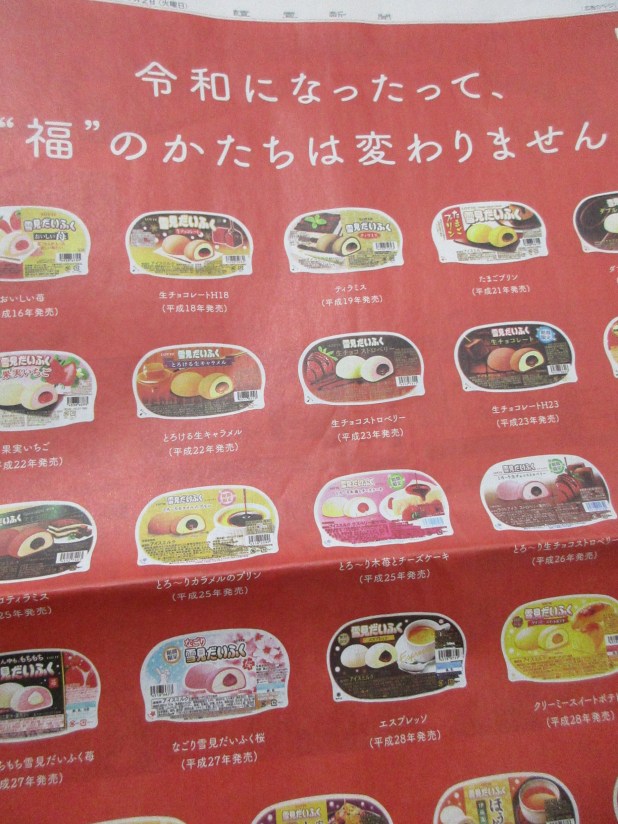

If you’re in Japan now, look for it. Above, it’s part of an ice cream advertisement in a newspaper.

In this photo (above,) I bought lunch for my son at the fast food restaurant “Lotteria,” and the name of the current era’s name Heisei was there next to the menu on the counter.


Jakuchu is here!

Today is March 26, 2019, and as you can see, it is the opening day of the exhibit of the famous Japanese artist Jakuchu!

I have a yearly pass to our prefectural museum here in Fukushima City, so I go and see all the exhibits. Usually it’s me, the guard, and one other person.  (Not crowded.)

Now it is the Jakuchu exhibit (see photo below. I was not allowed to take photos inside the exhibit itself.)

I knew that this Jakuchu exhibit would be very crowded, though, so I decided to see the exhibit on its first day, very early in the morning. I was right–the exhibit was VERY VERY crowded. Most people were coming from other cities in Japan.

I think two reason for the popularity of the Jakuchu exhibit:

1.) Jakuchu is extremely well-known (in Japan. Theoretically, overseas. But um not really.)

2.) Some of the painting in this Jakuchu-only exhibit are from the U.S. An American purchased Jakuchu’s paintings years ago, and they are kept in a museum in the U.S. Thus, this means that Japanese people can not see these painting without going abroad to the United States. Art lovers in Japan are taking the opportunity to see these Jakuchu paintings during the short time they (the paintings) are here in Japan.

It’s written in Japanese on the sign, but this Jakuchu exhibit is part of a effort to revitalize the  Tohoku area after the quake of 2011. (An exhibit like this brings in art lovers from Tokyo and they spend money here in Tohoku.)

Hey! Let’s look at https://jakuchu.org/   !!

Wind Energy in Iowa

I strive to be unbiased on this website regarding the best sources of electricity. Truly, I don’t know which is “best.” I just try to lay out the information that I know.

Because we live in Japan, my son and I have an English lesson together every morning. We’ve been going through a book of American states, and now we are on the state of Iowa. One interesting tidbit that the book gives is that 25% of the electricity in Iowa comes from wind energy.

So is this true?

I looked it up:

https://www.iowawindenergy.org/

According to the Iowa Wind Energy Association’s website (above,) 37% of electricity is produced by wind. Wow!

One of the main problems of renewable sources of energy is that they don’t produce enough electricity to power our energy-hungry world. But I think 37% is quite a lot! So, anyway, good for Iowa….


And today it’s snowing!

Opening my door this morning for my morning walk. It’s snowing!

The flowers say, “It’s snowing!”

The buds on the trees say, “It’s snowing!”

The branches say, “It’s snowing!”

The bamboo fence says, “It’s snowing!”

The park says, “It’s snowing!”

The plum blossom tree says, “It’s snowing!”

The radiation detector says, “Hey, everybody!”

“It’s snowing radiation!”

The children say, “It’s snowing!”


Disclaimer: The radiation amounts in Fukushima City are now considered normal (same as other places in world.) Nevertheless, I couldn’t resist.

Look up!

The past few days have felt like “Spring is here!” Mild, warm weather.

This morning it felt like “Winter’s back!” Cold, blustery weather.

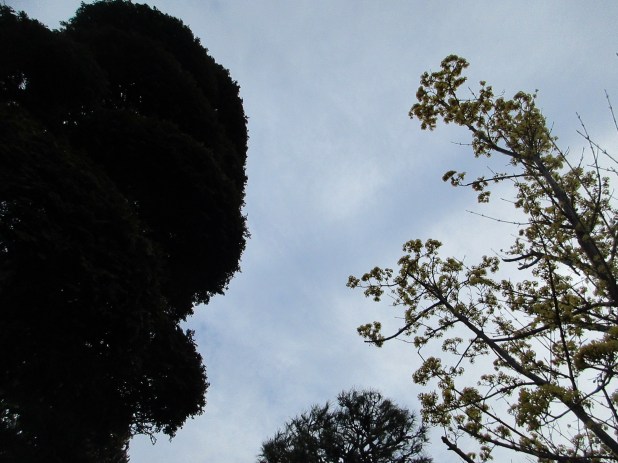
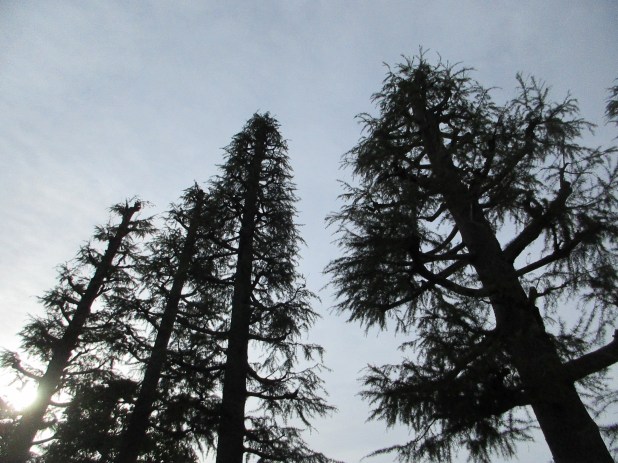
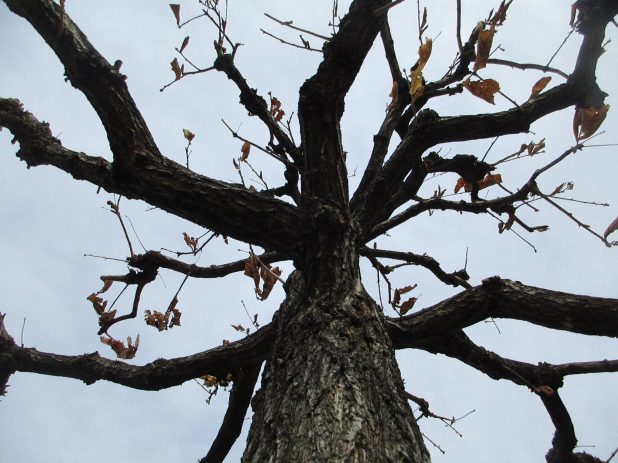
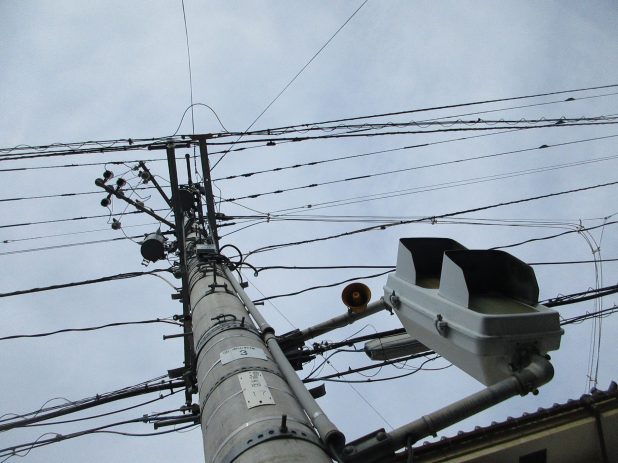
I aimed my camera up at the sky this morning at the sky. All the following photos are camera pointed up, taken this morning during my walk near my home in Fukushima City.
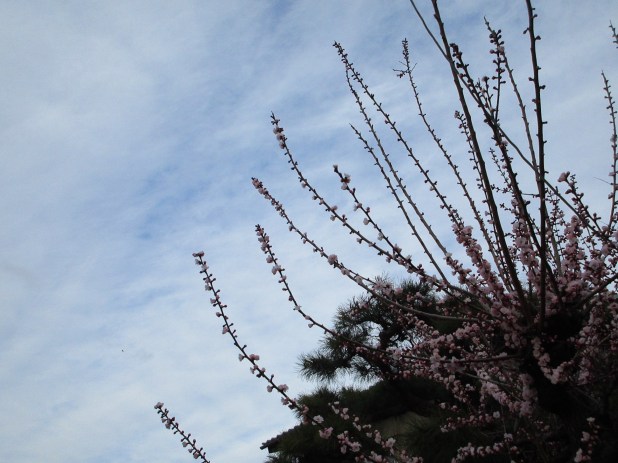
The recent warm weather have been opening up the flower buds.

Palm Trees. I was so surprised to come to Japan and see palm trees. (They’re quite common.) Fukushima City is on the same latitude as Wichita, Kansas—and Wichita does NOT have palm trees!!!! At all!!!!!!


The above photo is a grove of bamboo trees (extremely common in Japan) here in downtown Fukushima City.


Botamochi

Yesterday I showed a photo of “Ohagi.” I called it “Ohagi” because the sign next to me says that word in Japanese. But really, in autumn, the term for this rice and red bean treat is ohagi, but now in spring, it is called botamochi. Ohagi and botamochi are the same food, but the name depends on whether it is the autumn or spring equinox.

My mother-in-law sent us the botamochi in the photo above. In the below photo, I spooned some out so you can see the white mochi rice under the sweet red beans.

Today is the day of Higan, so no school or work for most people. (It’s a public holiday.)

This morning I stopped by the supermarket and saw a man carrying out two huge bouquets of flowers. I thought, how sweet. He’s giving them to his wife! Then I remembered that it’s higan and he (most likely) is taking them to the cemetary for the deceased of his family.

Ohagi

It is currently the week of the spring equinox. In Japan, many Japanese people go their family’s cemetary during both the spring and autumn equinoctes.* The family cleans the headstone, prays, and offers gifts. A common gift is “Ohagi,” shown in photo.

When I watched the Pixar movie “Coco,” I felt that the traditions shown in the movie are very similar to Japanese traditions. (Going to the cemetary. The dead visiting the earth and partaking in gifts. And so on.) In fact, the movie “Coco” is NOT called “Coco” here in Japan. Its name is “Remember me.” (The title is in English, but it’s written in Japanese katakana script, so it’s pronounced Remembaa Mee.)


*Plural form of equinox. You can remember it like this: Two foctes lock the five boctes, but three octes are inside three of the boctes. And all this happens during the spring and autumn equinoctes. So before you lock your boctes, knock.