THE ICE WALL at the power plant will be completed in a couple months.

No more fun and frivolity on this blog.

Back to “Fukushima Issues.”

There’s something I want to talk about today.  (It’s not a subject I one hundred percent understand myself, so I am relying on news articles.  I tried to get reputable news sources, as opposed to dodgy ones.)

Radiated water is leaking from the nuclear power plant on the coast of Fukushima Prefecture.  Radiated water is leaking EVERY SINGLE DAY!   Workers have been storing it up, but because the water is ground water, its endless.  This has to be stopped.

So a few years ago, the government decided to build an icewall at the plant in an effort to stop the water.  A news article from 2016: https://www.nytimes.com/2016/08/30/science/fukushima-daiichi-nuclear-plant-cleanup-ice-wall.html

Here’s an article from 2013 explaining how the Icewall works.  The article is old, though so some of the information might be out of date:  http://news.nationalgeographic.com/news/energy/2013/08/130819-japan-ice-wall-for-fukushima-radioactive-leaks/

Here is a detailed BBC article from a few years ago:  http://www.bbc.com/news/world-asia-27669393

Well, today yahoo news says that the ICEWALL is almost finished.  I don’t like yahoo news much because its so sensationalistic, but of course I wanted to take a look at other news sources about the matter.

Japan Times: https://www.japantimes.co.jp/news/2017/08/22/national/tepco-begins-extending-ice-wall-reduce-tainted-water-fukushima-plant/#.WZy-3LpuJhE

Mainichi  https://mainichi.jp/english/articles/20170816/p2a/00m/0na/016000c

The ice wall is to prevent the ground water from entering the power plant.  Let’s hope this ice wall works, everybody.  I don’t know what will happen if the water situation can’t be gotten under control……..
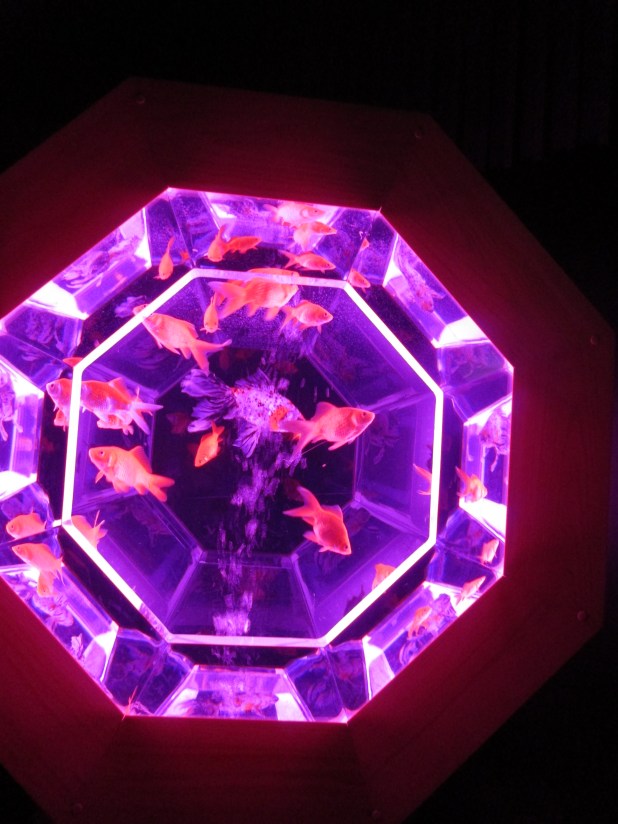
 

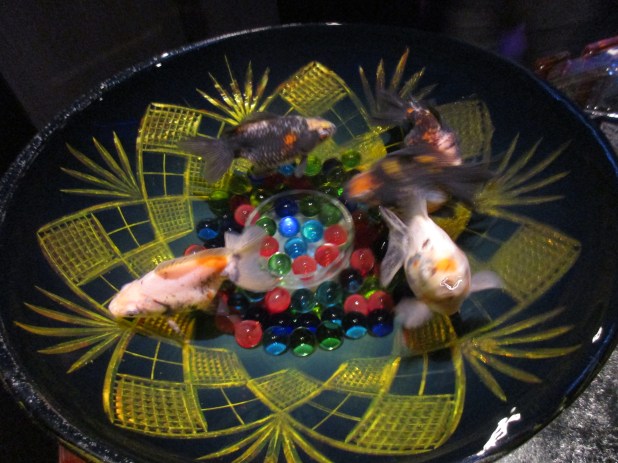
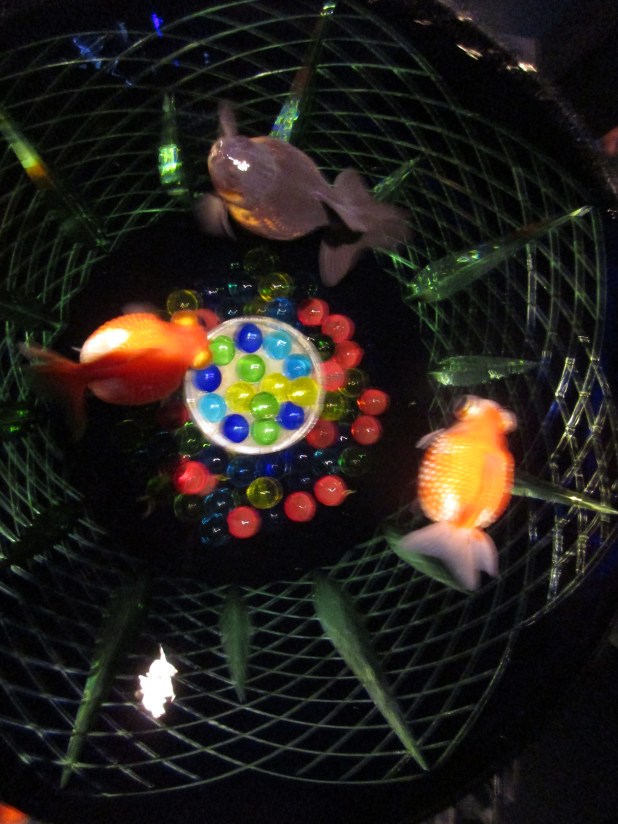
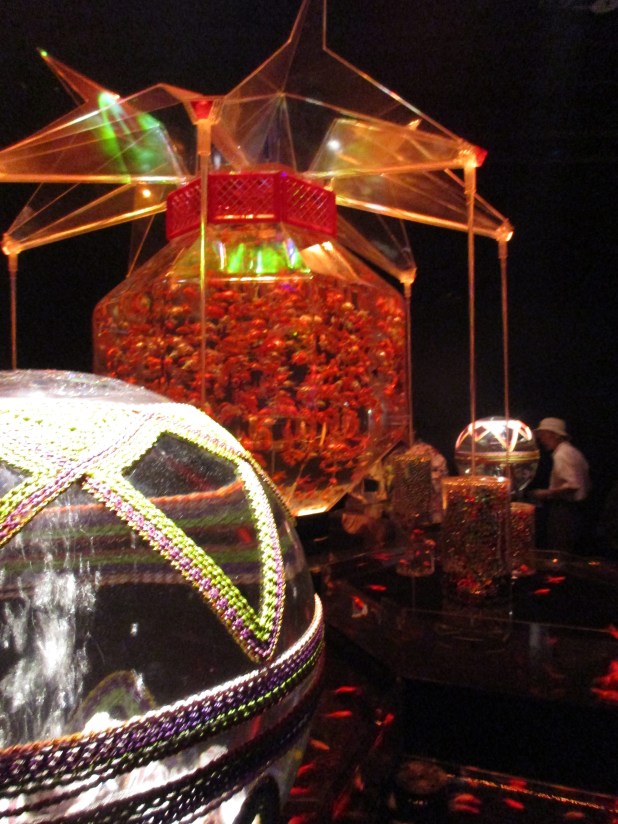
Hidetomo Kimura’s “Art Aquarium” Exhibition in Tokyo

Online, my niece discovered a truly amazing exhibit.  It’s a temporary exhibit and it is famous, but I hadn’t heard of it.

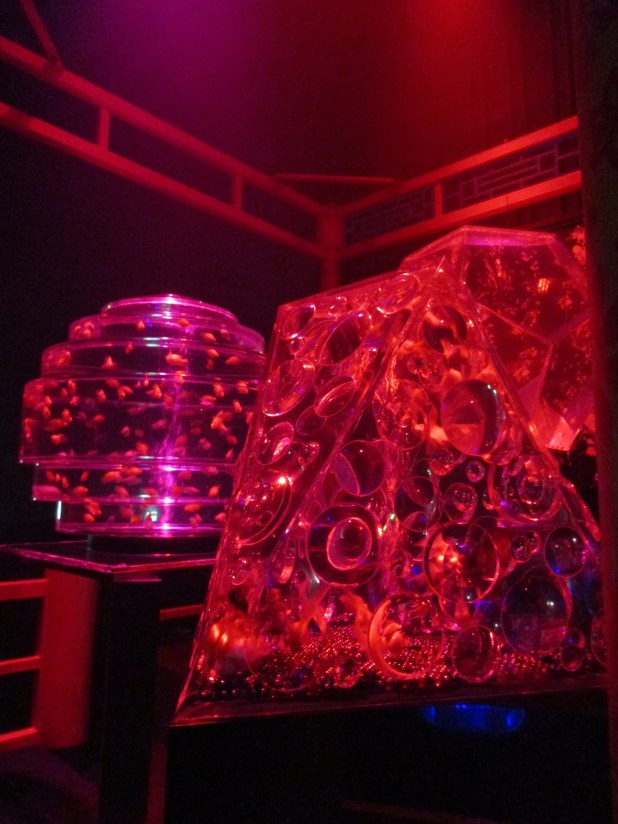
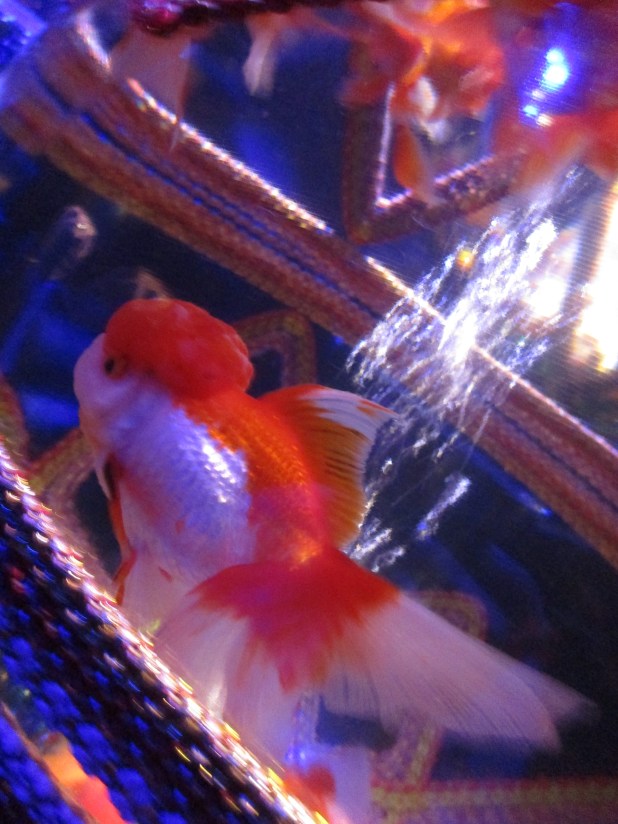
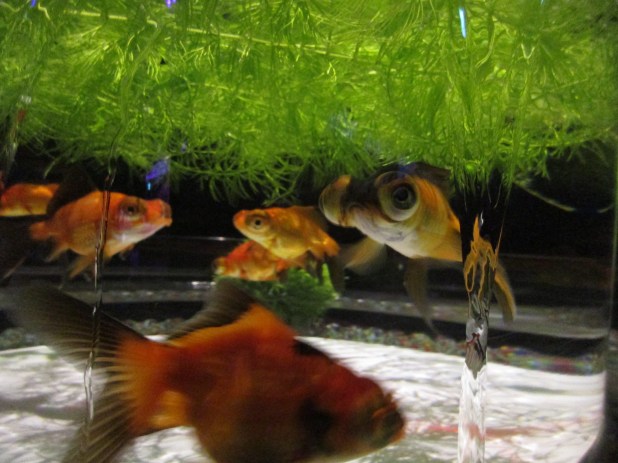
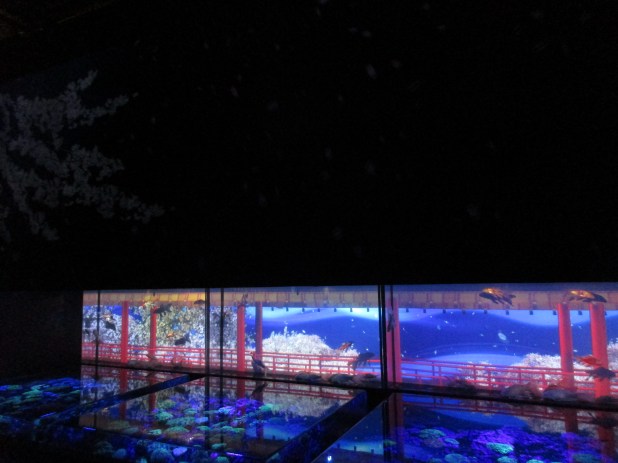
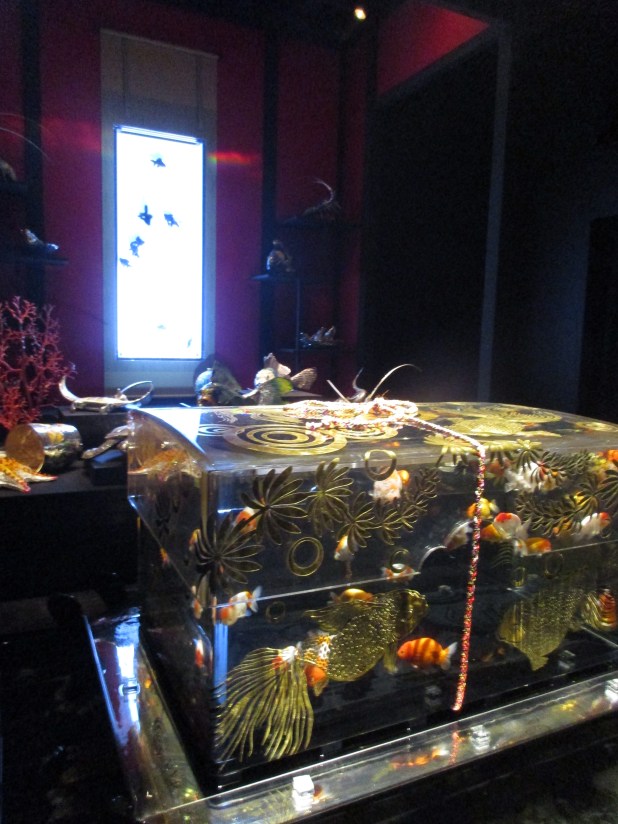
It’s “Art Aquarium.”  Art composed of living goldfish in luxurious tanks of water.

Here is a news link that tells about the exhibit:  http://www.reuters.com/article/us-japan-art-aquarium-idUSKBN19V0S0


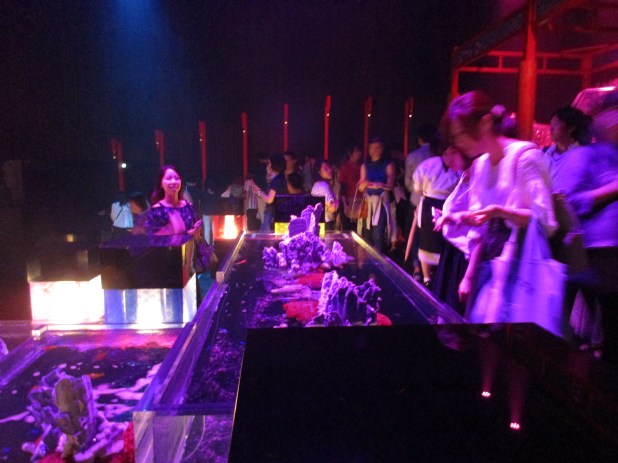
This was a weekday afternoon.  As you can see, it was very crowded.

It cost 1,00 yen, I think, for each adult to enter.


Well, these are the last of the photos from “Niece’s Visit 2017.”  She is safely back in Texas now. I hope you enjoyed the photos!


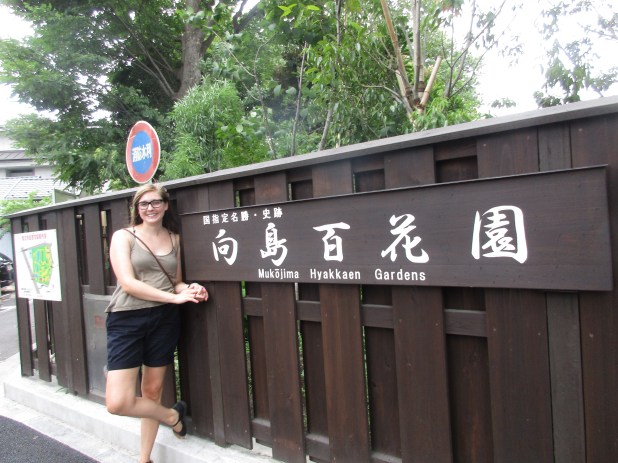
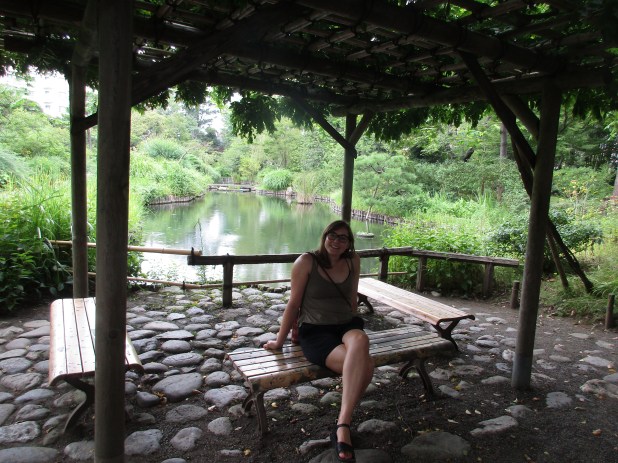
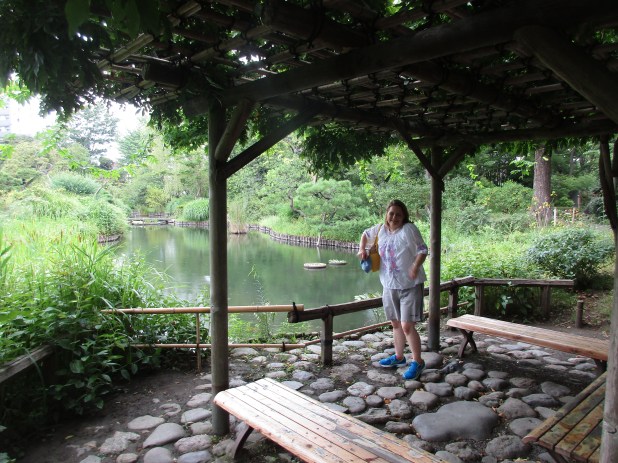
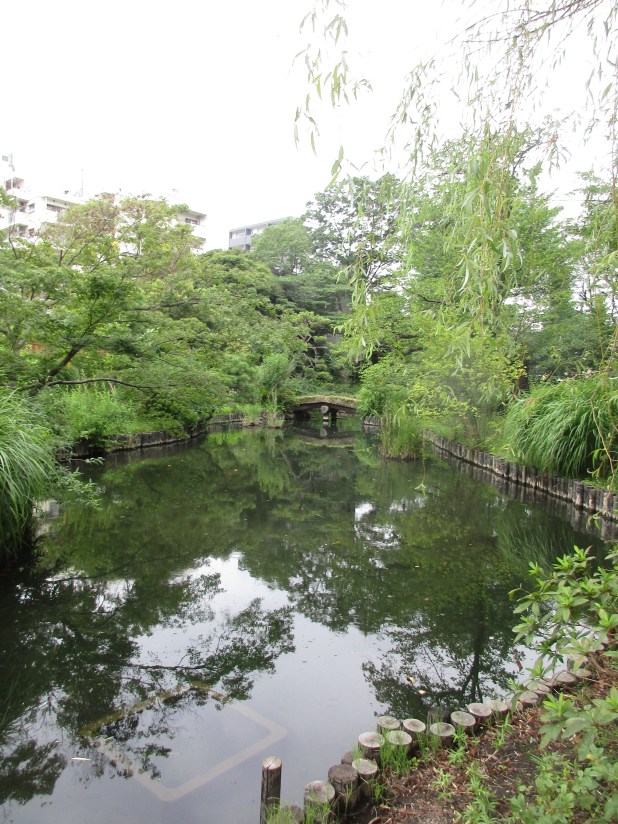
Mukkoujima Hyakkaen Gardens in Tokyo

My niece wanted to see a Japanese garden.  So she chose this garden from the internet and we headed there!  Small entry fee.

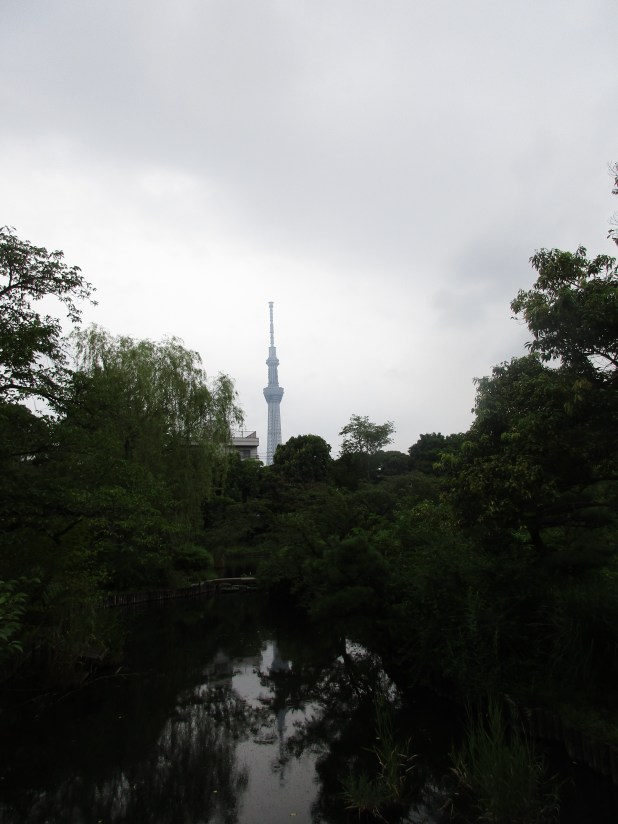
The Skytree can be seen from the garden.

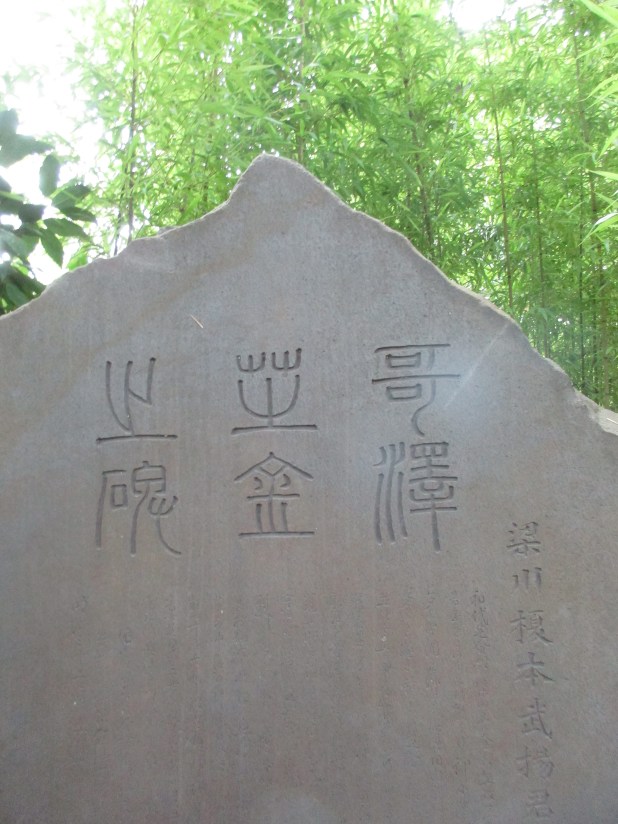
This is a replica, I believe.  It looked too new.

She loved it.

I am being totally stupid. And yes I know my shorts don’t match my shirt. This sort of thing is why my enemies say that I am matchless when it comes to fashion.  They are all jealous.

One nice thing was that we were the ONLY PEOPLE THERE.  (Except for the man and woman who took our tickets and seemed very proud of the garden.)

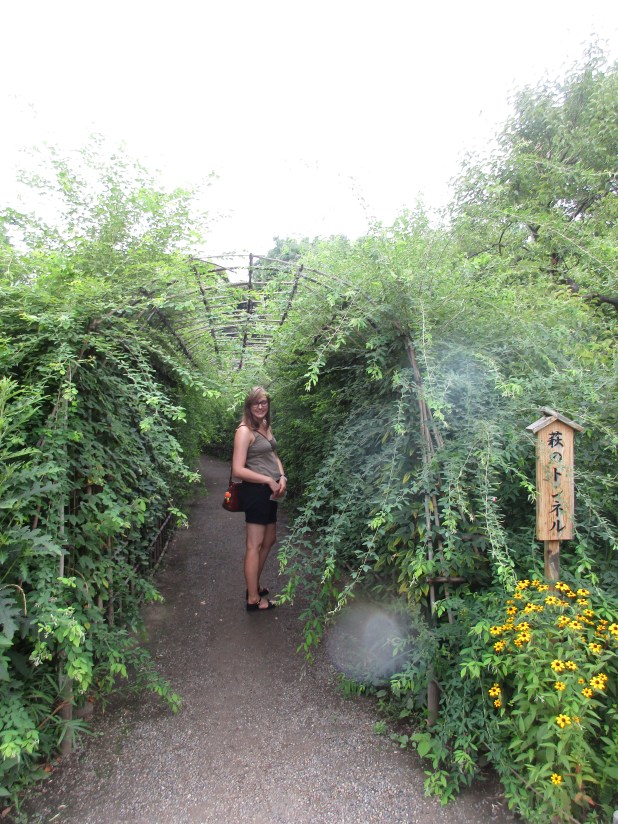
Tunnel of greenery.

Akihabara (Electric Town!) in Tokyo

My son is a gamer, so he wanted to go to Akihabara and look around at the computer stuff.  If you don’t know, the Akihabara part of Tokyo is famous for its electronics stores.  Years ago, it was the cheapest place to get the newest technology, but recently it has more competition with the internet and so on. However, it is still a mecca for people who are into technology.

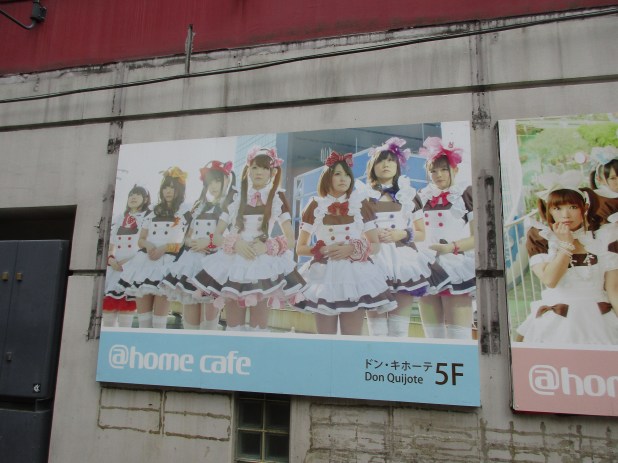
(cough cough) Some people who are into technology are also into cafes with waitresses who dress like the girls in the advertisement.

She is a cafe employee handing out advertisements.  You have to pay a fee to get in, then pay for food.  Food is served by cute young women in cute outfits.  No, we did not go!

AKB48 is a popular group of teenage girl singers.  The group has over forty-eight singers! It’s not a real group like The Beatles. The girls are carefully selected for their cuteness and so on……

It is popular with certain types of men, but neither my husband nor my son like AKB48 at all.  (Thank goodness.)


Harajuku, Tokyo!

This blog is supposed to be about Fukushima, so I wasn’t sure if I should put in photos from our time in Tokyo this summer.  But then I thought, This is more a blog from a person who LIVES in Fukushima.  So not absolutely all the posts have to be Fukushima related.  And besides, people might enjoy seeing some Tokyo pics!

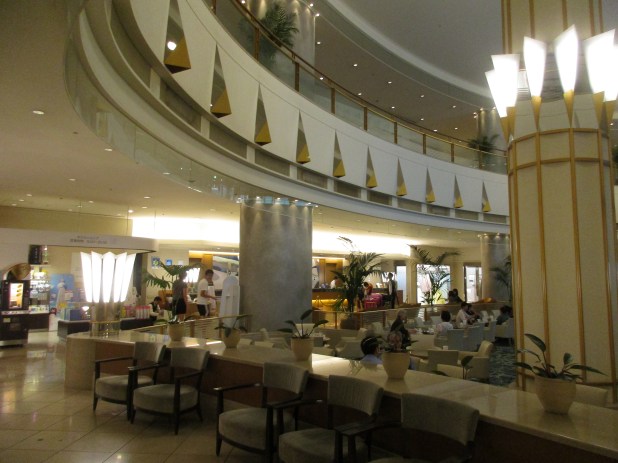
This is the Tokyo hotel that my husband reserved for me, my niece, and my son to stay in for a couple days before my niece departed to America.

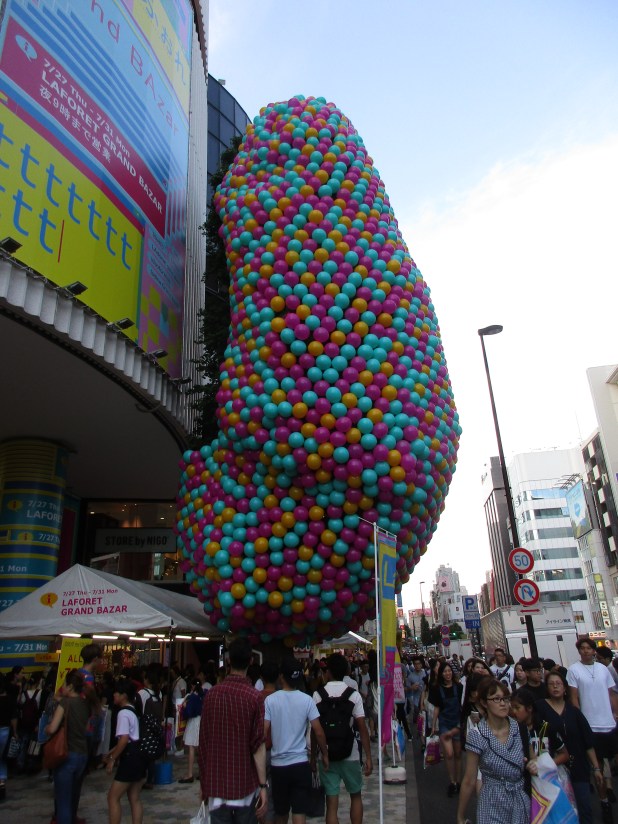
We decided to go to Harajuku.  That’s it in the photo.  Harajuku is famous for young people who dress in fun and frilly fashion, but we didn’t really see that much of that at all while we were there. Everybody was dressed normally, except maybe two young woman (who I did not take photos of.)

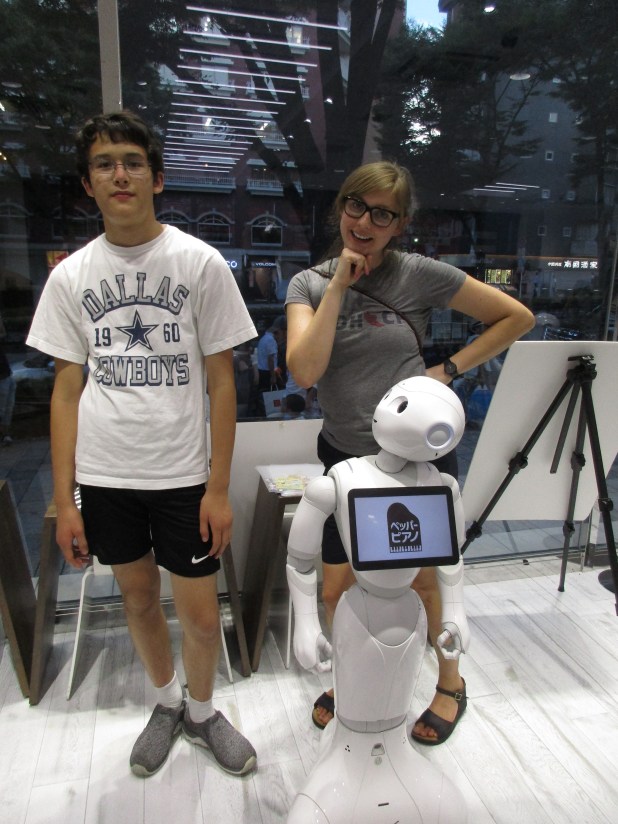
A cell phone shop in Harajuku.  My niece and my son were both interested in the robots!

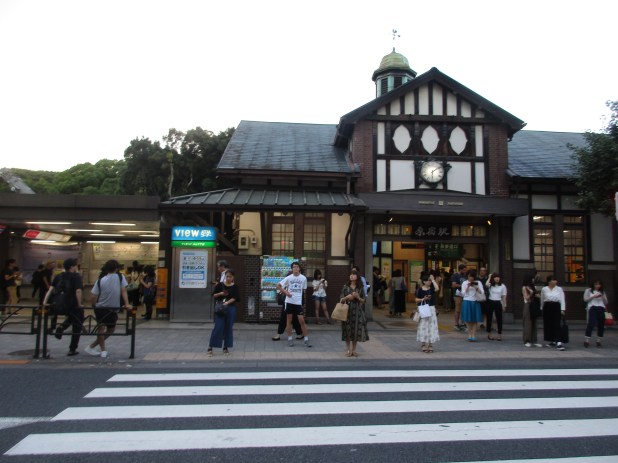
Harajuku train station.  It’s pretty, isn’t it?

My niece’s birthday meal

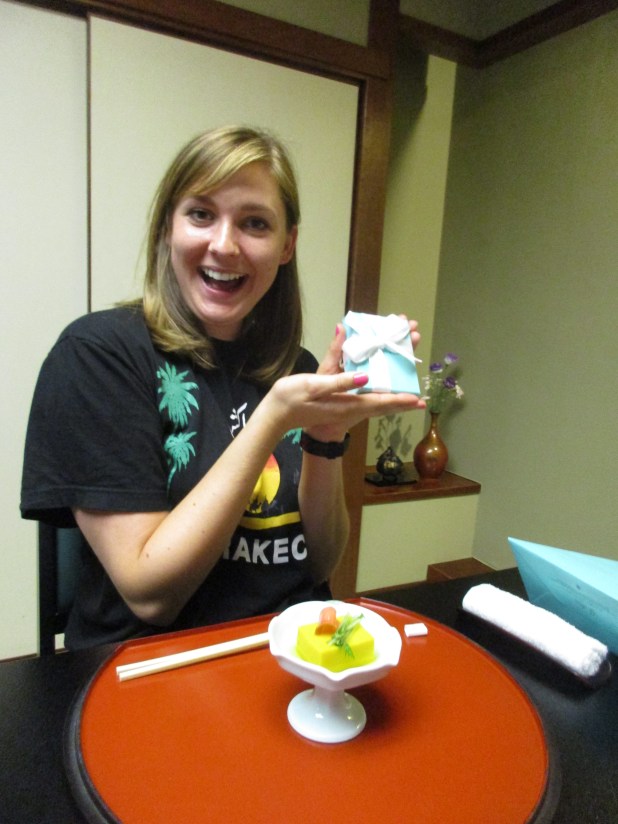
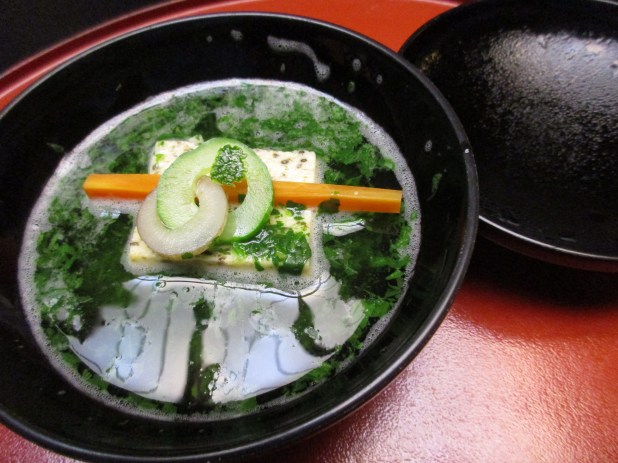
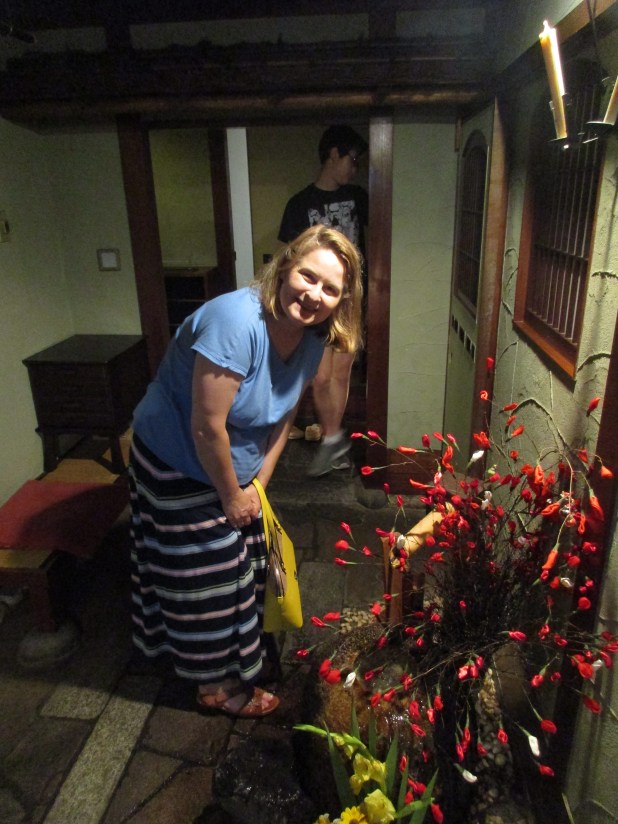
My niece’s birthday was during her stay in Japan.  So my husband and I (and our son) took her to a fancy Japanese restaurant near our house.  There were multiple courses, and it was really delicious.

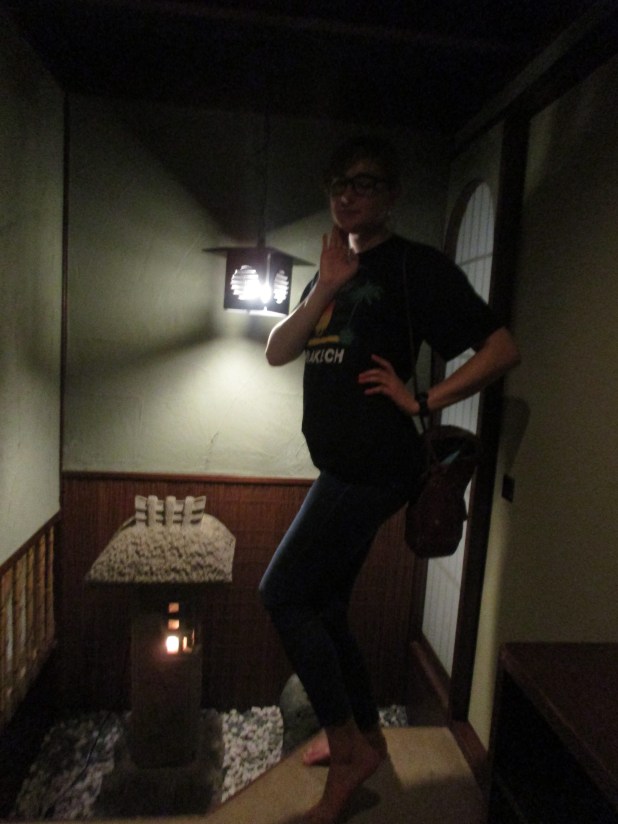
Earrings!

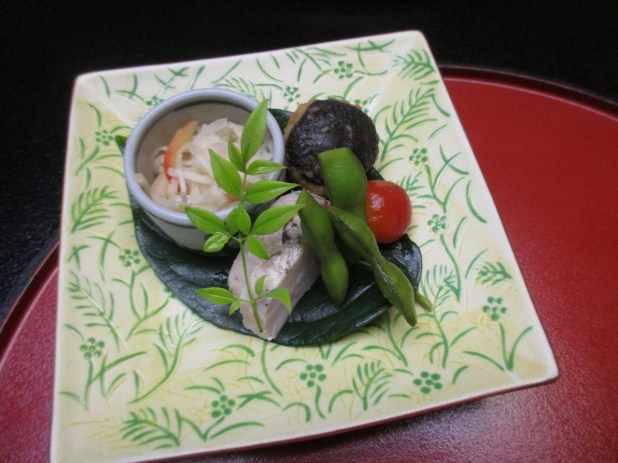
I was so excited when I saw this spectacular plate!

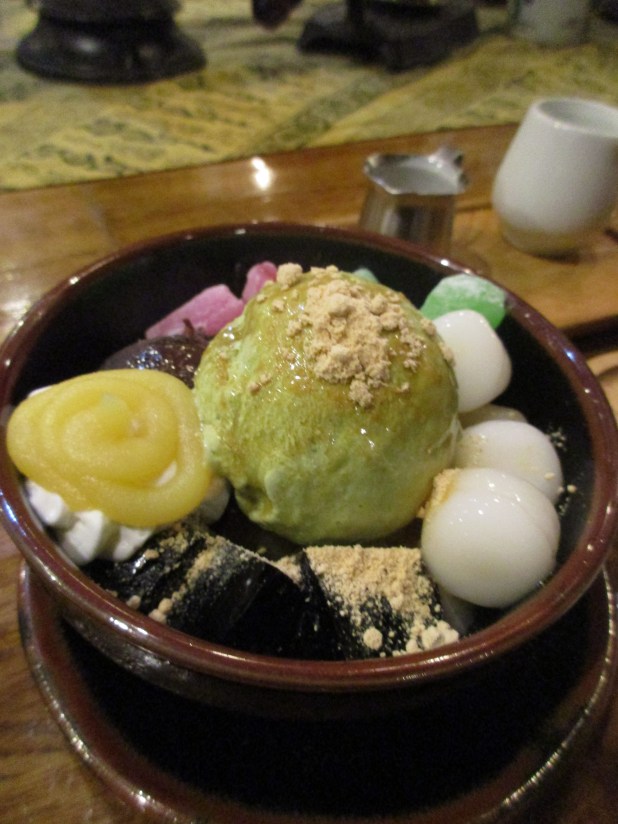
This is the dessert.

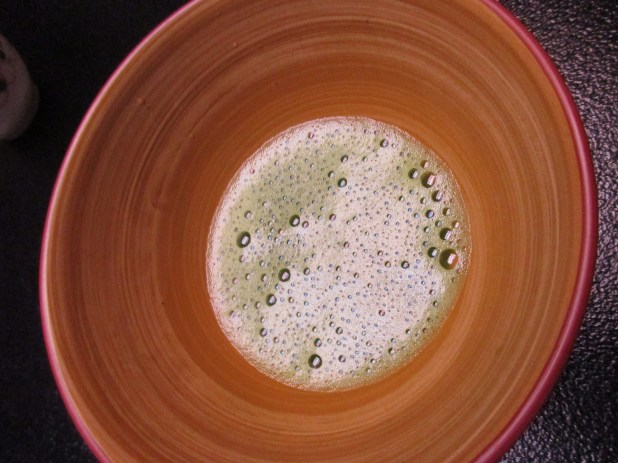
frothy macha tea

“Coffee Gourmet” Coffee Shop in Downtown Fukushima City

During my niece’s last afternoon in Fukushima City, I wanted to take her to some sort of coffee shop. I debated between an old independent coffee shop called “Coffee Gourmet” and a chain called Mister Donuts.  Mister Donuts has some lovely shaved ice in the summer, and my son and I have been wanting to try them!  However, we finally decided on Coffee Gourmet since it is an only-in-Fukushima City sort of thing.

My niece ordered this traditional Japanese desert.  It was a good choice, because I am quite sure this can not be found in Texas.

Taking a photo of it.  (Photography is allowed in this coffee shop.)

My son ordered this ice creamy.

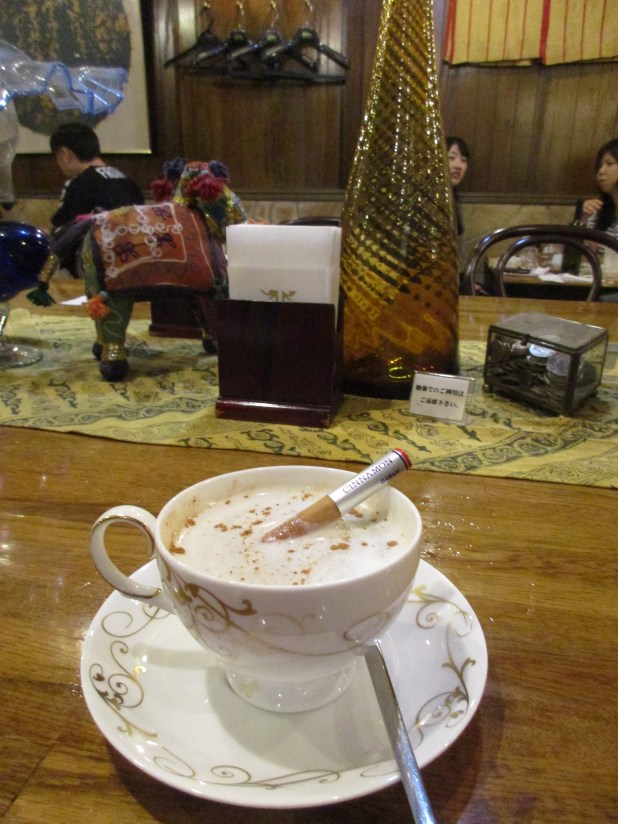
My capuccino

Bon Appetit!

Coffee Gourmet is easy to walk to from the east side of the station (just a one minute walk.) But it is hard to find for a non-Japanese reader because its name is in Japanese!  So you may want to ask a local for directions.

Fruitea train ride with niece

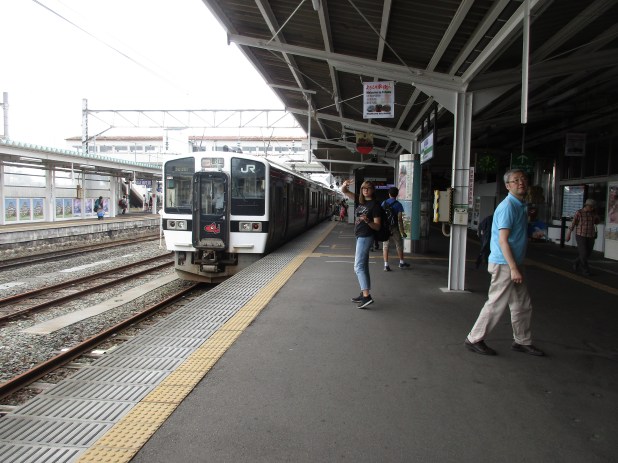
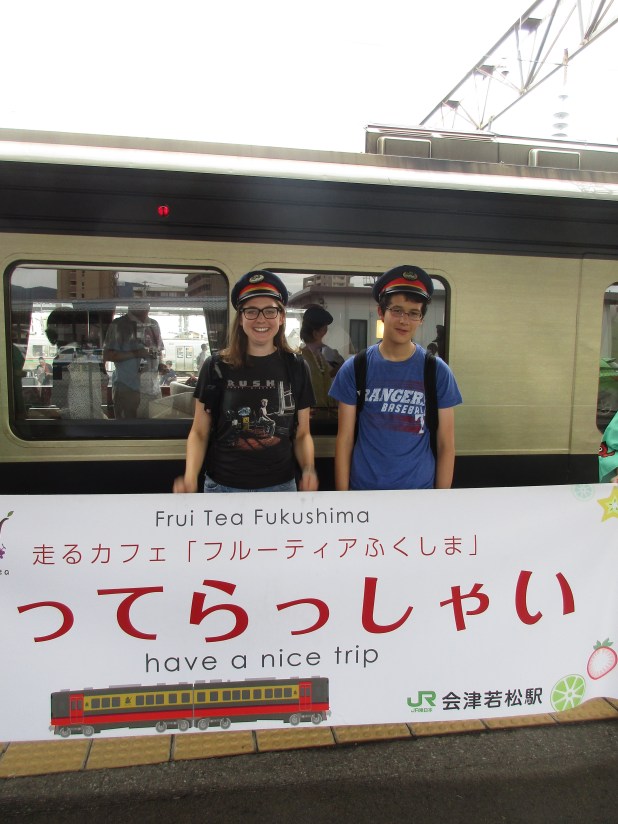
Here we are back at the AizuWakamatsu train station.

Going back home on a train…..but with special service!

We are going in the Fruitea car.  My husband surprised me with this for my birthday in 2016, and he wanted to do it for my niece, too.

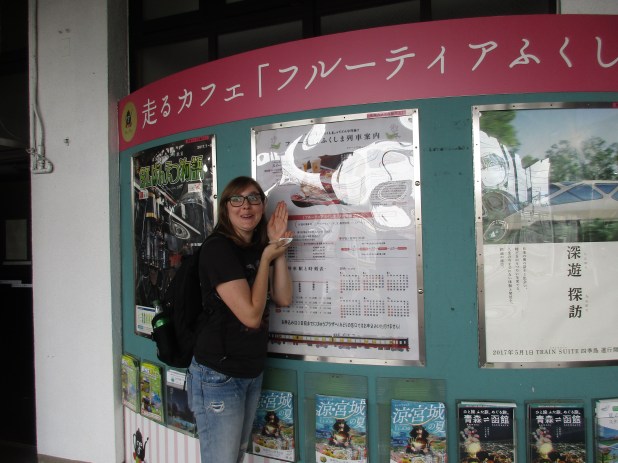
All aboard!  Fukushima is famous for its fruit, which is why it is called Fruitea.  You have to reserve seats three days in advance.

And what nice seats they are!  I am always reminded of an Agatha Christie novel when on the Fruitea.  Hercule Poirot? Oh, there he is.  Over in the next seat.

The view.  The Fruitea only travels from AizuWakamatsu City to Koriyama City.  And back.

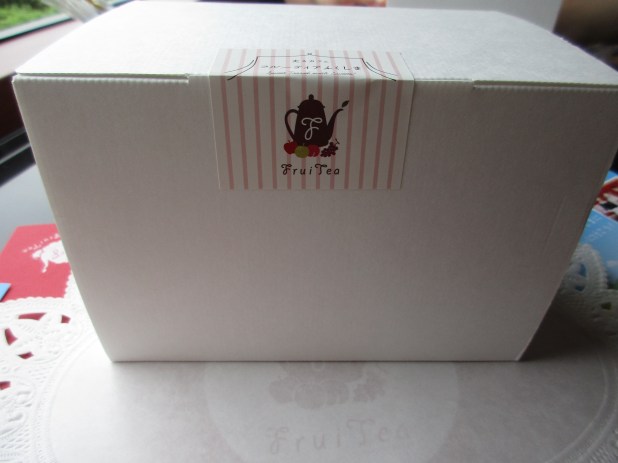
What’s INSIDE!!!!! I CAN’T WAIT!!!!!!!!!!

Peach pie!

Fukushima Prefecture is famous for peaches, and now it is prime peach season….thus the peach pie.  The fruit in the pie is seasonal.

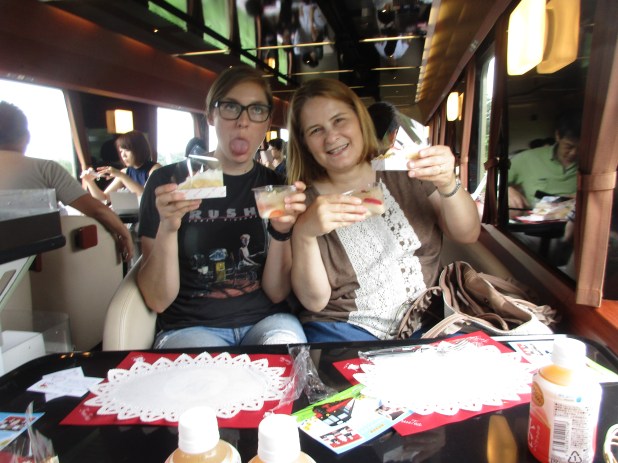
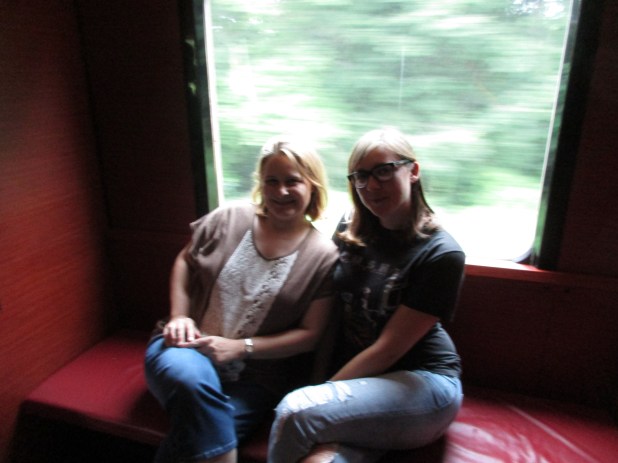
Pretty face

Silly face.  Although I didn’t get the memo to do a silly face, obviously.

“Why, yes, Monsieur Poirot.  I did notice that he was a bit nervous during the evening meal….but I never expected him to end up murdered by his own pen knife!”

After her trip to Fukushima City, I asked my niece, “What was your favorite thing that you did?” She said the Fruitea train ride.  It was fun.  Japan has different trains like this, called the Joyful Trains.

See this link for a peek at the trains which bring joy:  https://www.jreast.co.jp/e/joyful/index.html


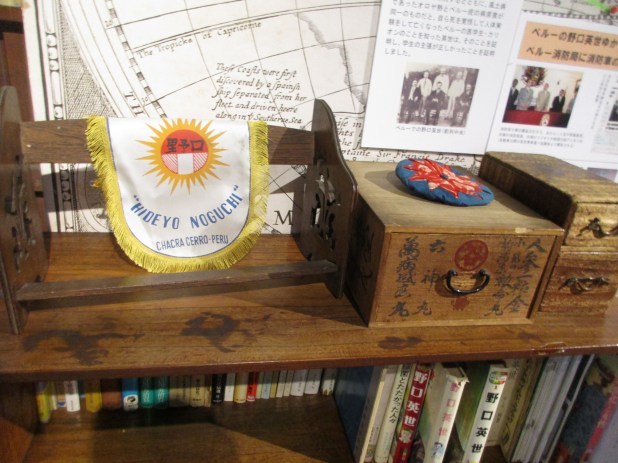
Hideyo Noguchi–prominent scientist from Fukushima Prefecture

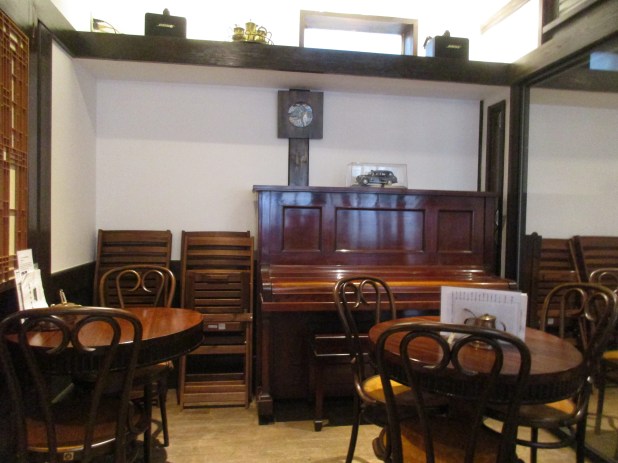
After shopping we went to a coffee shop.  This coffee shop housed the doctor’s office where a famous Fukushima scientist worked.  (That’s his picture on the sign in the photo above.)

Hideyo Noguchi is easily the most famous person from Fukushima Prefecture.


The coffee shop.

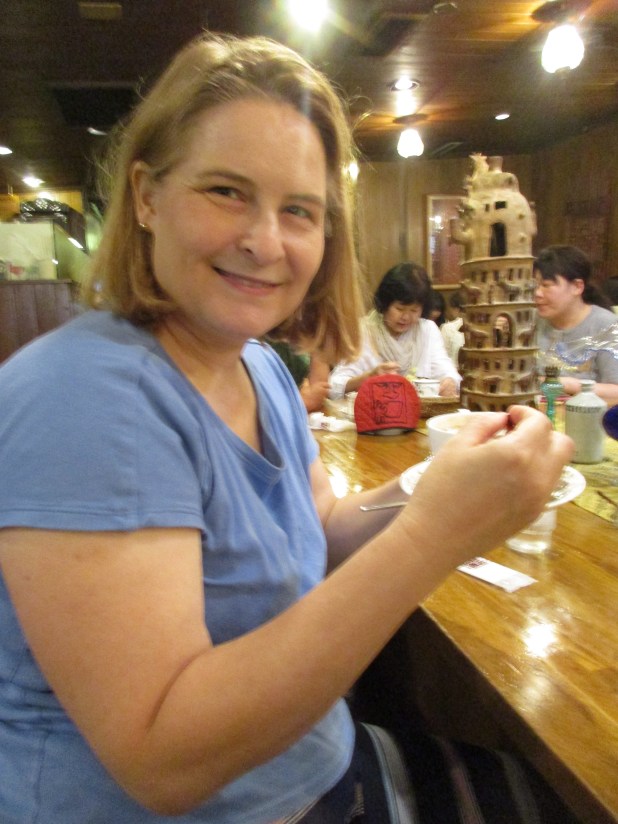
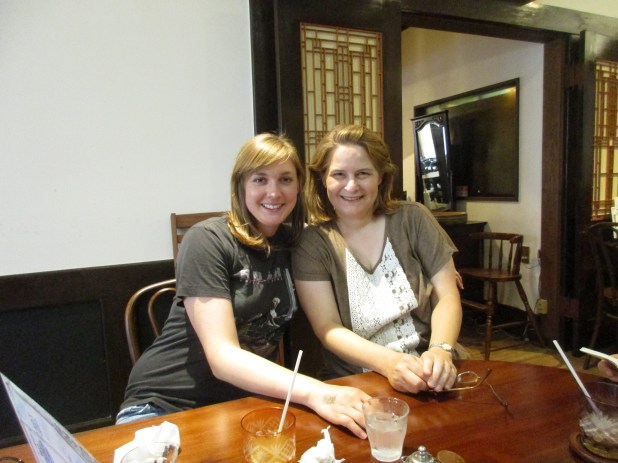
My niee and I.  I don’t think we look much alike.  Maybe a little.

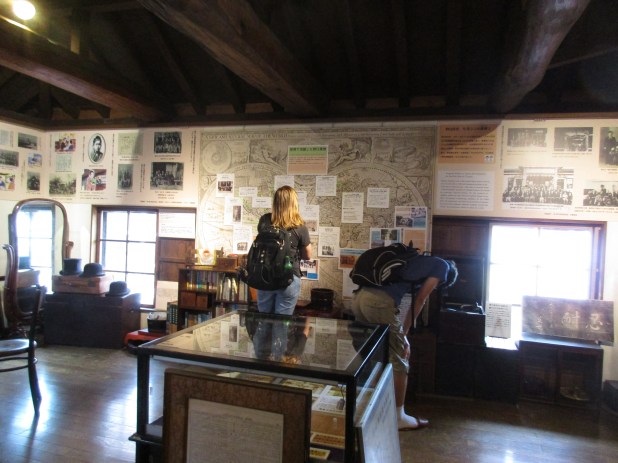
Above the coffee shop, there is a small (one room) museum about Hideyo Noguchi.  It charges a slight fee.

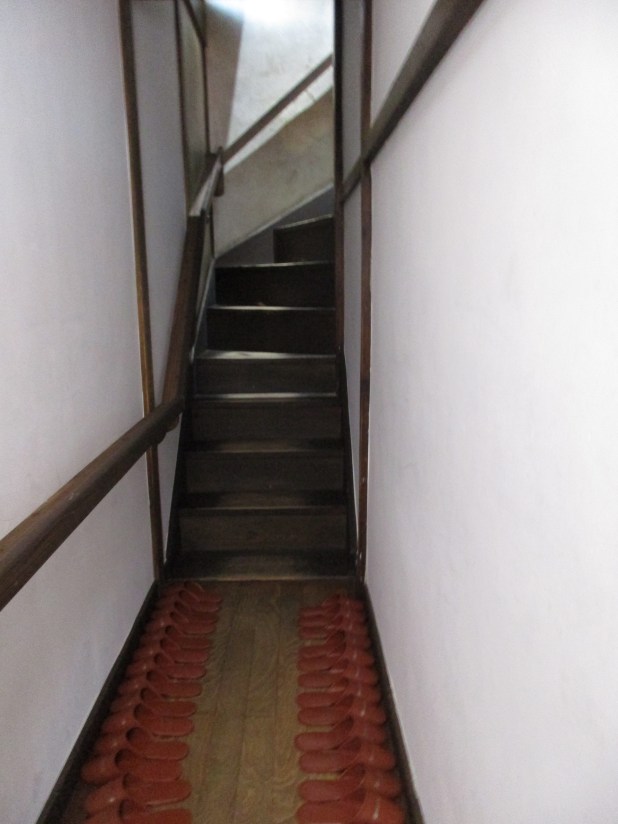
Up the stairs to the museum….

TO UNDERSTAND THE QUOTE IN THE ABOVE PHOTO, READ THE FOLLOWING!

Dr. Hideyo Noguchi was born in Fukushima in the Aizu area in 1876.   His parents were poor farmers.  When he was one year old, he fell into the fireplace and severely burned his hand, thus having a crippled hand for the rest of his life.

An excellent student, he eventually studied medicine in Tokyo. In 1900, he travelled to the United States, where he studied snake venom.  Then he studied serology (the study of blood serum especially in regard to its immunological reactions) in Denmark.  Next, he returned to the U.S. where he studied bacteriology.  He was nominated for the Nobel Prize for his work with syphilis.

Next he began to fight against yellow fever and went to Ecuador to study it.  The death of a colleague in Africa from yellow fever prompted him to go to Africa to study it there.  At the same time that treatments for yellow fever were almost in sight, Noguchi himself contracted the disease.  He received treatment in Accra, but he ended up dying from yellow fever himself in 1928 at the age of fifty-one.

His face is currently on the 1,000 bill in Japan.  So look at it next time you see it!

The information about his life was taken from this site:  http://www.cao.go.jp/noguchisho/english/about/lifetimedrnoguchi.html  Go there for more complete information.

YOU CAN BASICALLY SEE THAT NOGUCHI SPENT ALMOST HIS ENTIRE CAREER OUTSIDE OF JAPAN STUDYING DISEASE!  HE IS A REAL HERO.

Antique Shop in AizuWakamatsu City


My husband suggested shopping in the cute downtown district of AizuWakamatsu.  It’s REALLY quiet and slow-paced compared to anywhere in Tokyo.  Don’t think it’s going to be just like Harajuku!

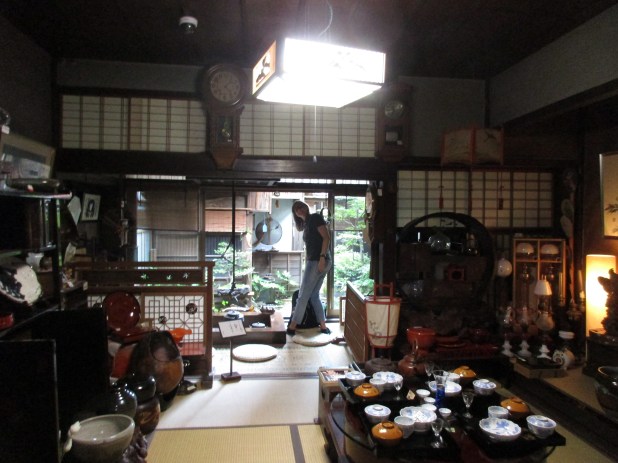
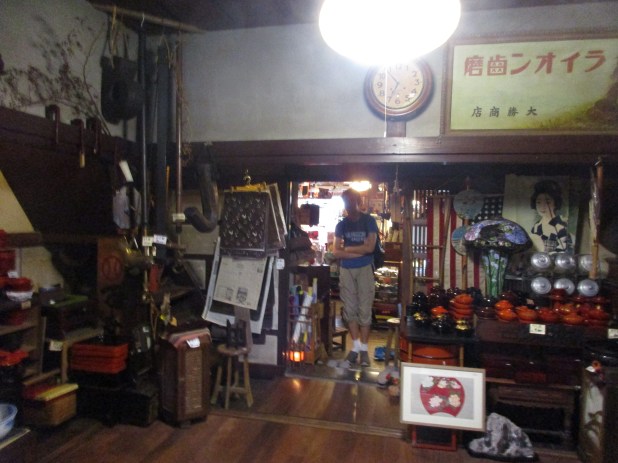
This is an antique store we popped into.  I asked permission to take photos, and so these photos are allowed by the owner.

My parents love antique stores in the U.S.  However, a Japanese antique store is naturally very different than an American one.  So I find it interesting to look around in a place like this.

By the way, do you ever watch a show like Antique Roadshow (A British show where people bring their antiques in to be evaluated?)

Japan has the same sort of show on TV.  People bring in things from their home.  After talking about the item at length, and after doing a professional examination of the item, the MC says (in English), “OPEN THE PRICE!”

Then the value of the pottery, or the record album collection, or the painting, or whatever it is, is revealed.

Sometimes it is BIG BUCKS!

And sometimes…it is nothing!  (Because the item is a fake.)

It’s a neat show, one I recommend watching if you happen to be in Japan.

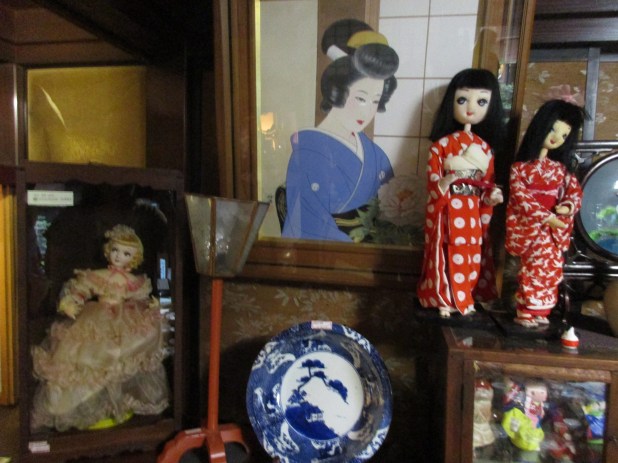
Japanese dolls.  Some of my manuscripts have dolls in them, old dolls. So I like to examine dolls like these when I have a chance.  Most of my research about antique items comes from books in the library, since I don’t usually have the opportunity to examine the actual item.

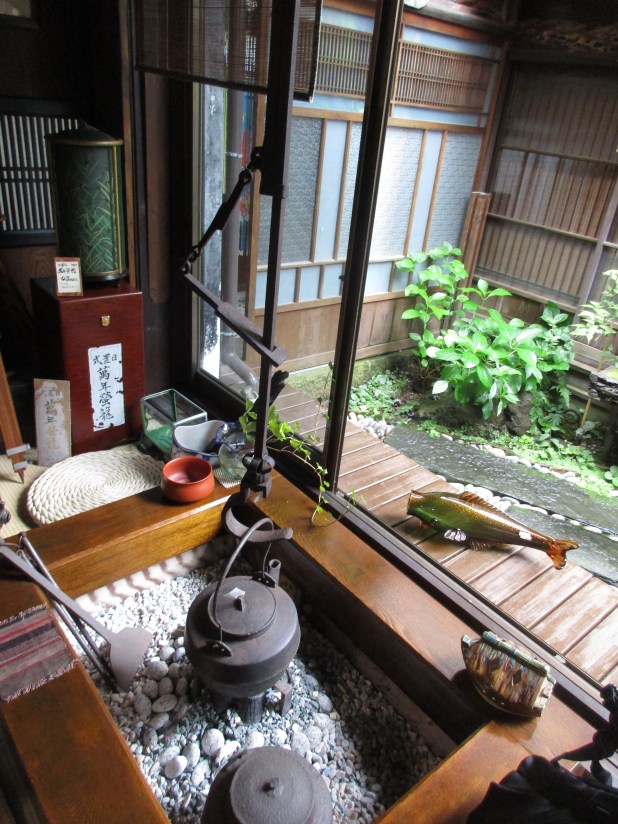
I included this kind of traditional Japanese stove in the manuscript of the third book in my trilogy.  Actually, my in-laws have one in the old part of their home.

City folks don’t see these much (if ever.)  Nowadays they are only in old houses.  My in-laws NEVER use theirs.

traditional garden

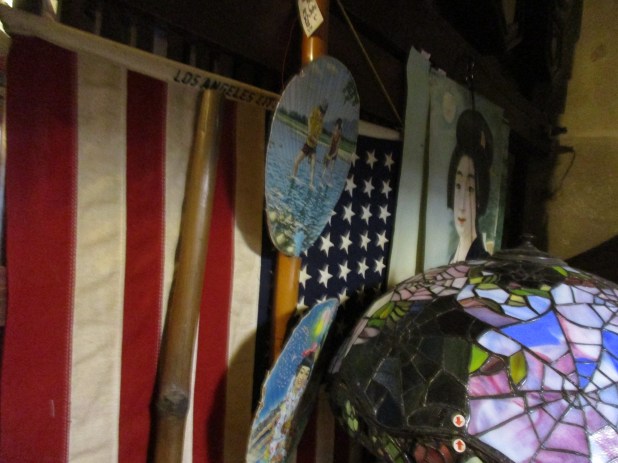
Notice the American flag.

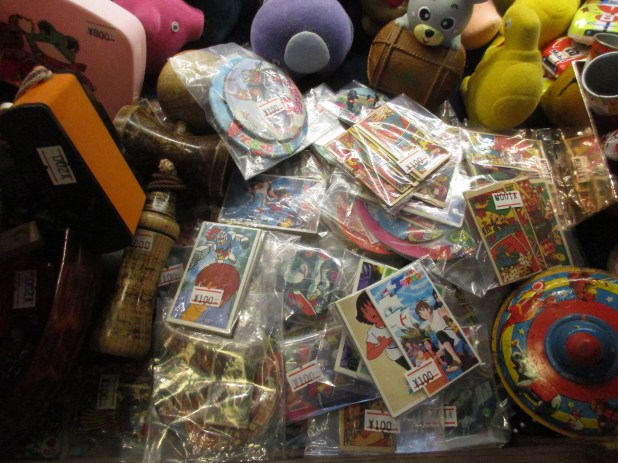
A card game that is no longer known very well by Japanese youth.  This game is played by the characters in the first book of my trilogy.

As you can see, there are pictures on the cards.  While researching, I spent a lot of time looking at these in library books, and also ordered some off the internet.  (I have never seen them sold here in Fukushima City.)  The pictures can be any theme imaginable–whatever would have appealed to kids a hundred or so years ago.   Kind of like today’s Pokemon cards, and so on.